Tag Archives: oil painting

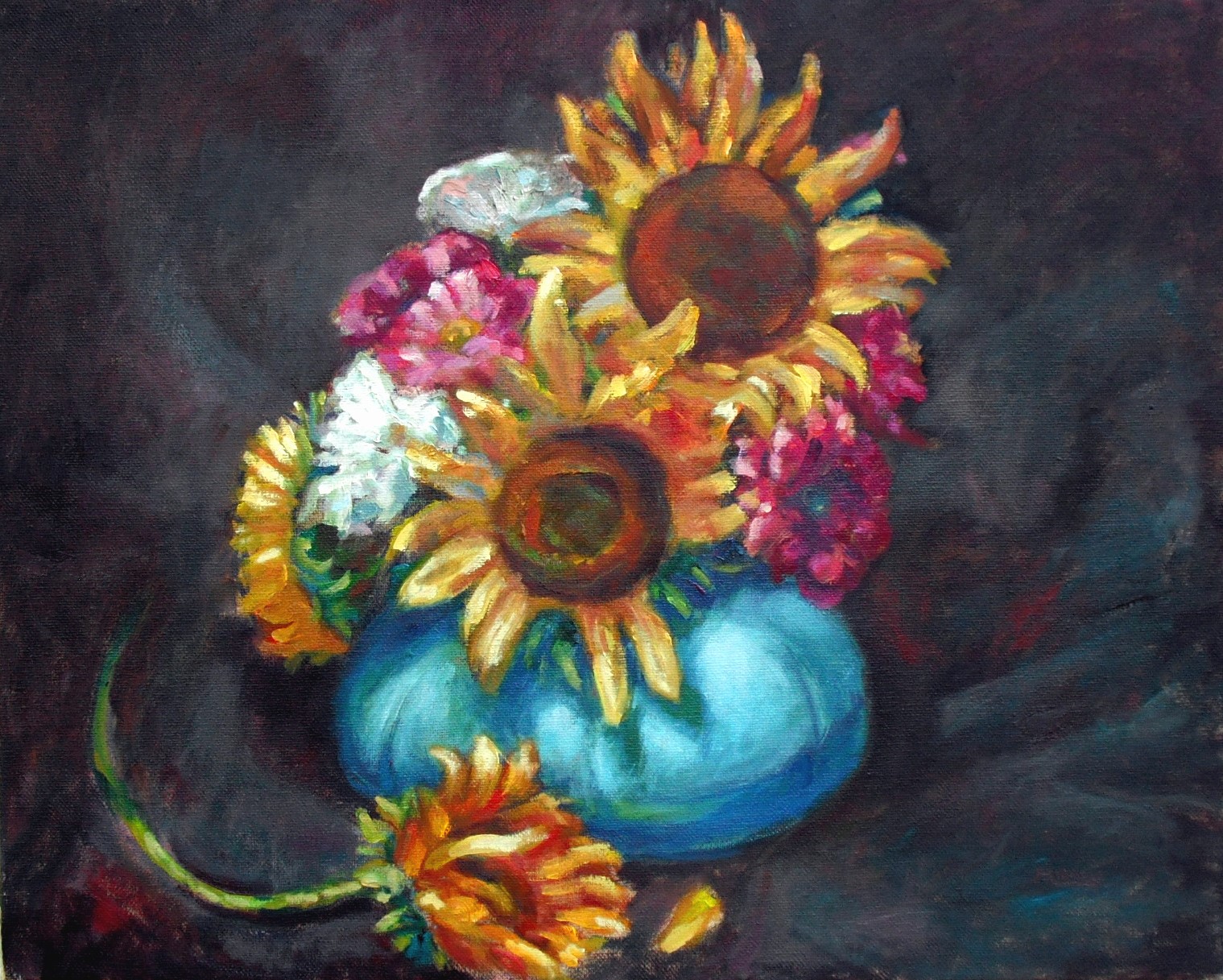
Sunflowers in blue bowl

Sunflowers in blue bowl, 16 x 20, oil on canvas, Kit Miracle

Sunflowers in blue bowl, 16 x 20, oil on canvas, Kit Miracle

This is another example of a slow painting.  If you’ve followed my blog, you know that I like to paint en plein air.  The challenge of turning out a speedy painting in a couple of hours is fun.  However, some of my best work is when I create a studio painting which may take weeks or more.

This blue bowl of sunflower and zinnias presented its own challenges.  If you’ve ever painted live sunflowers, then you know that they keep up their rhythm of turning towards the sun.  This means every time you return to the studio, the darn flowers have rearranged themselves!

This is an oil on a toned canvas.  I spent about a week and a half on this painting.  I don’t know if the painting is actually done but I’m finished working on it.  The flowers were in pretty sad shape by the time I finished. I like the careful attention to detail but it is a real trick to not overwork a painting.  It should look effortless for best effect.  In my opinion.

How long does it take?

I have frequently posted paintings on here that are quick sketches, plein air or otherwise.  These usually only take an hour or two.  I have friends who can knock out four paintings a day, and darn good ones, too.

But…sometimes it is good to spend some time studying a subject.  These two paintings that I completed this month are examples of that philosophy.

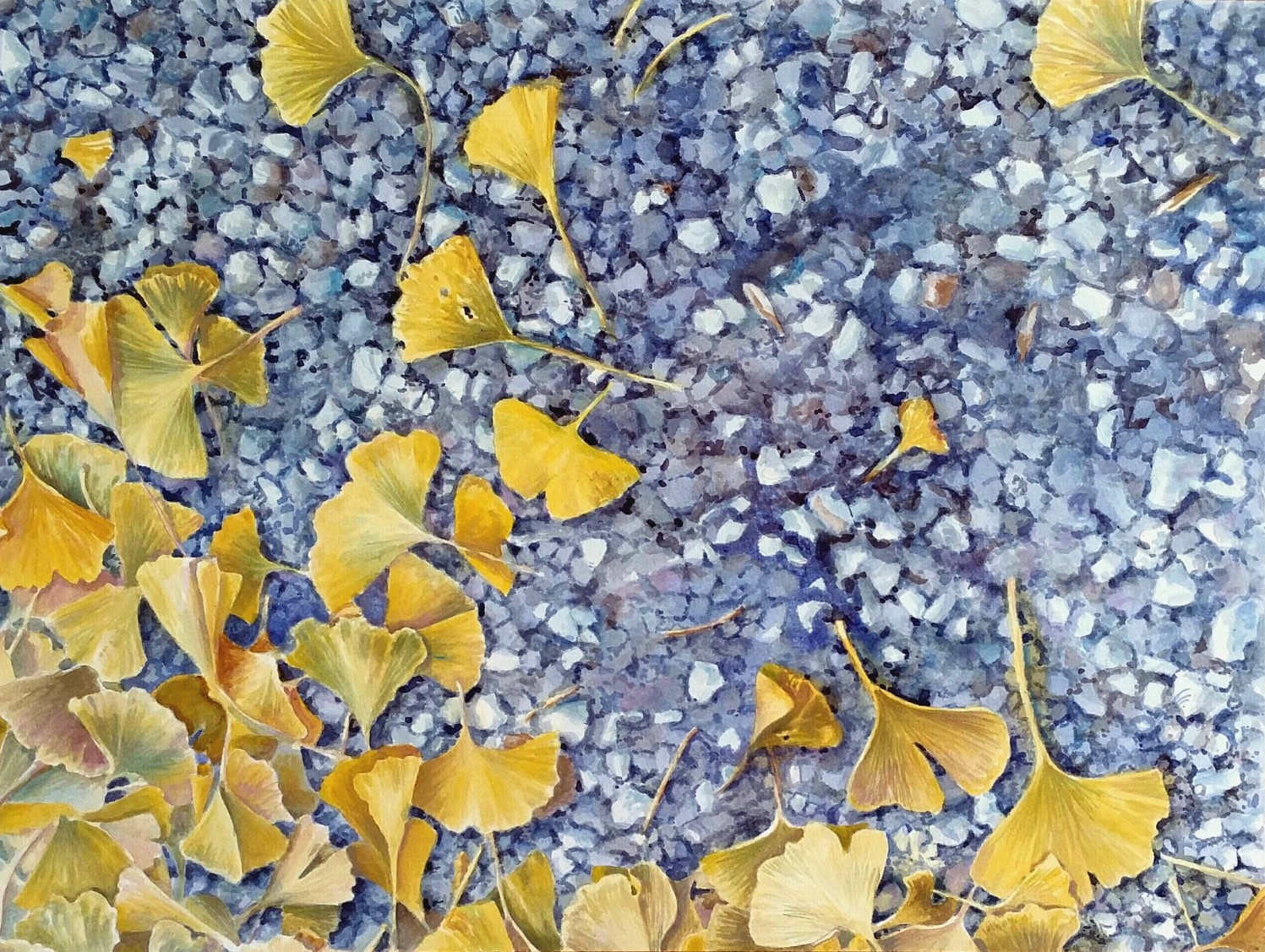
Ginko, watercolor on paper.  19.5 x 27, Kit Miracle

Ginko, watercolor on paper. 19.5 x 27, Kit Miracle

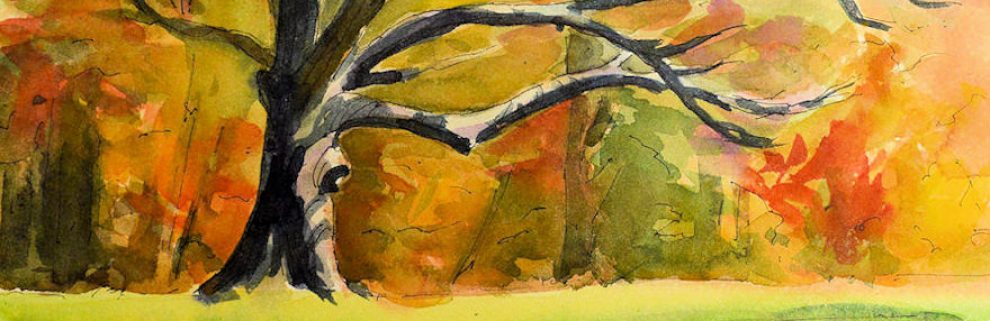
Ginko is one that I’ve been rolling around in my head for a couple of years.  It is a full-size watercolor.  I haven’t done a watercolor of this size for several years so it was good to try my hand in it again.  (I painted watercolor for 25 years before switching to oils several years ago.)  Ginko is a study of the ordinary.  What is below your feet.  I saw this one day as I was leaving the post office.  The Postmaster later told me that many post offices in Indiana have ginko trees planted outside (males only).  I think he said it was some kind of Girl Scout project but I’m not sure about that.  I just loved the soothing shapes and colors.  The painting itself was a lesson in patience.  Why did I choose to paint all those rocks!?!

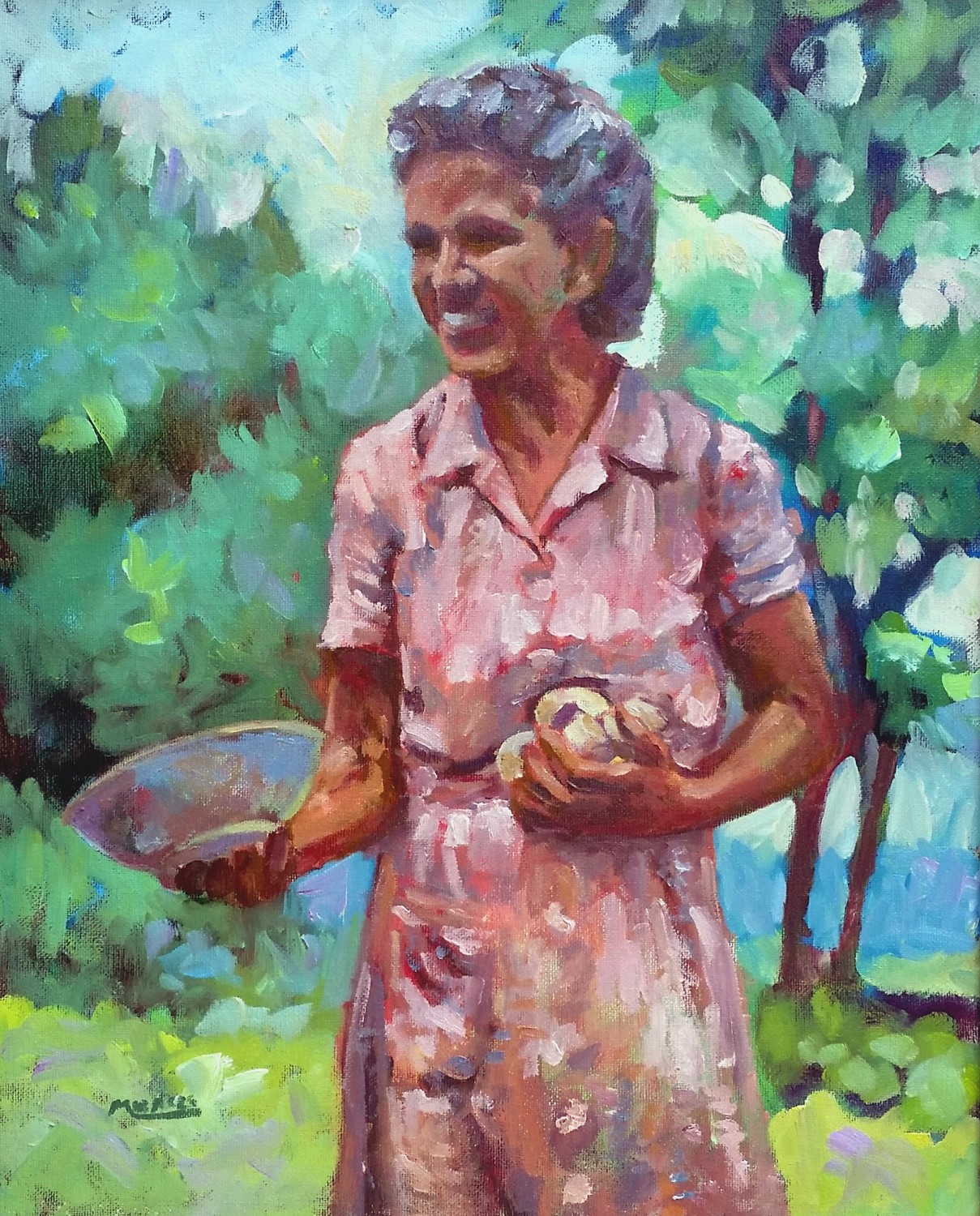
Generosity, oil on canvas, 20 x 16, Kit Miracle

Generosity, oil on canvas, 20 x 16, Kit Miracle

The second painting is an oil that I call Generosity.  It is from an very old black and white photo of a family member.  She was always so generous; you never left her house empty-handed.  I actually worked on the prep for this for several months, doing countless studies in pencil, charcoal, etc.  This painting may actually end up being a preliminary study itself as I was planning to do a much larger work.

So, the lesson here is to enjoy the fast painting, dashing off a sketch or plein air piece.  But sometimes you can be rewarded by taking your time and creating something really worthwhile.

Gardening with Scottie

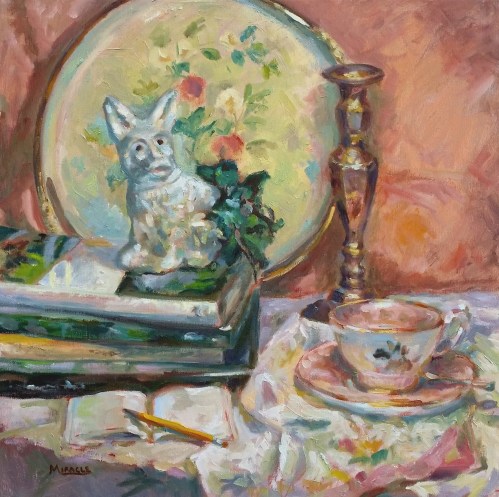
Gardening with Scottie, 20 x 20, oil on canvas, Kit Miracle

Gardening with Scottie, 20 x 20, oil on canvas, Kit Miracle

I recently completed this winter still life painting.  That is, when it’s cold outside, I usually paint inside.  The theme for this painting is planning my spring garden.  There were many challenges, especially all the circles and ellipticals as well as that dang ceramic dog.  I’m not sure I’m done with this yet as I keep tweaking it every time I walk past it in my studio.  Check out the demo for Gardening with Scottie.

Challenge Painting

HikinginCrawfordCounty30x30oiloncanvas

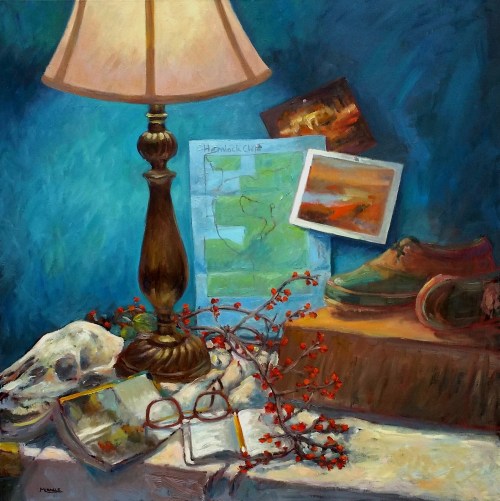
Hiking in Crawford County, 30 x 30, oil on canvas, Kit Miracle

Last year I decided to participate in a challenge art competition.  This was a local county exhibit with the county plus the eight surrounding counties.  The requirements were:  a box, fabric, a living or formerly living thing, a map and something representing my county.

This is the painting I finally came up with.  The box is the L.L.Bean shoe box.  Fabric background and tablecloth.  A deer skull and some bittersweet.  A map of a local park.  And some postcards of local scenes.  It sounds simple but it actually took me an entire day to set up the still life.

Many of the entrants created collage or 3-D sculptures.  Only two of us did paintings.  I was shooting for something that met the conditions of the challenge and also created a good painting.  Adding the lamp to the still life created its own special challenges as I had to paint much of the painting in a nearly dark studio.  I repainted that lamp four times and I’m still not totally happy with it but the judge really liked the way it seemed to glow on the canvas.  I won second place so I guess it was a success.  What do you think?

Plein Air Painting In the Neighborhood

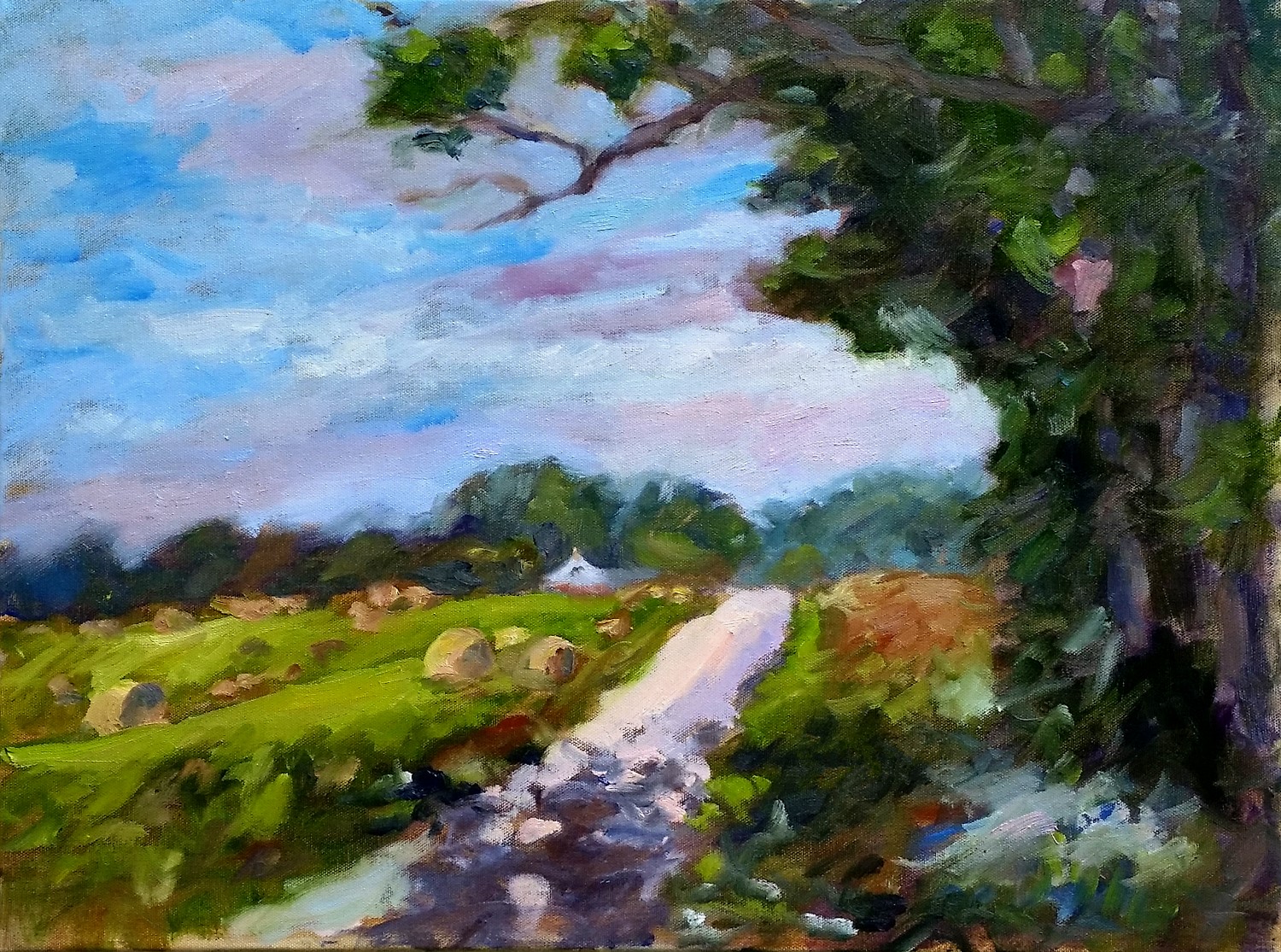
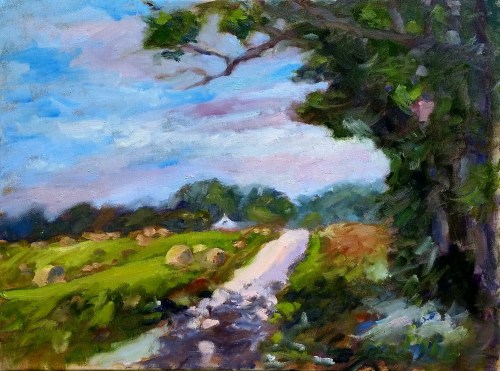
Mentor Road, Birdseye, Indiana, oil on canvas, 18 x 24, Kit Miracle

Mentor Road, Birdseye, Indiana, oil on canvas, 18 x 24, Kit Miracle

Writers are often advised to paint what you know.  I believe that this advice holds true for artists, too.  You know your own neighborhood best, the most attractive features, the back roads, and the best seasons to view the scenery.

My neighborhood, as the title of my blog implies, is a rural one.  This time of year the farmers are baling hay.  Those big round bales often remind me of the wonderful haystacks of Monet, and their rotund forms litter the fields until they’re tidied away in neat rows.

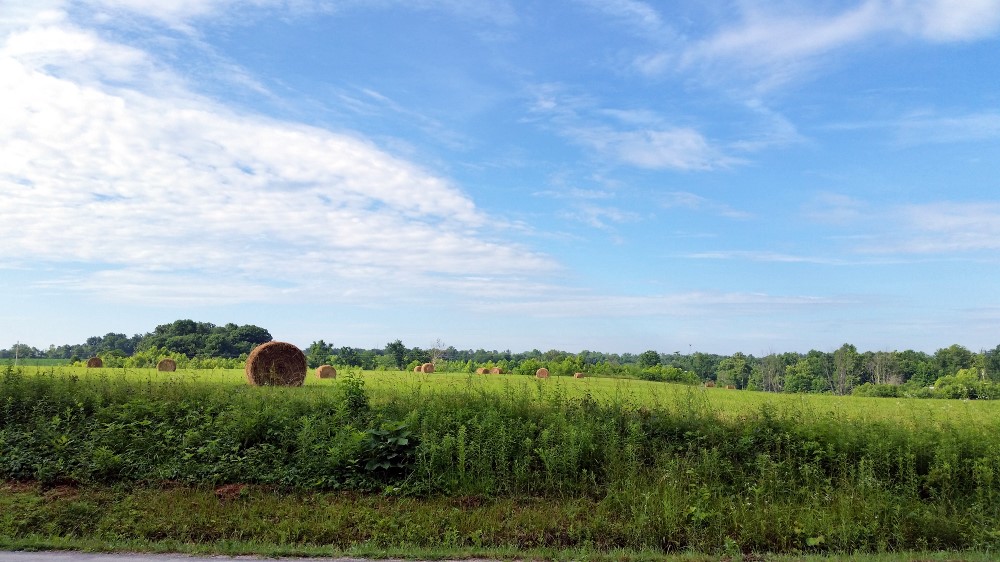
A couple of days ago, I rode around the neighborhood looking for likely painting spots, especially with an eye to catching some hay bales still lying in the field. Other criteria for me are where can I park and will I need permission to go onto someone’s property.  Most people are very gracious about allowing  artists to venture on their land but it’s always best to ask if you can.

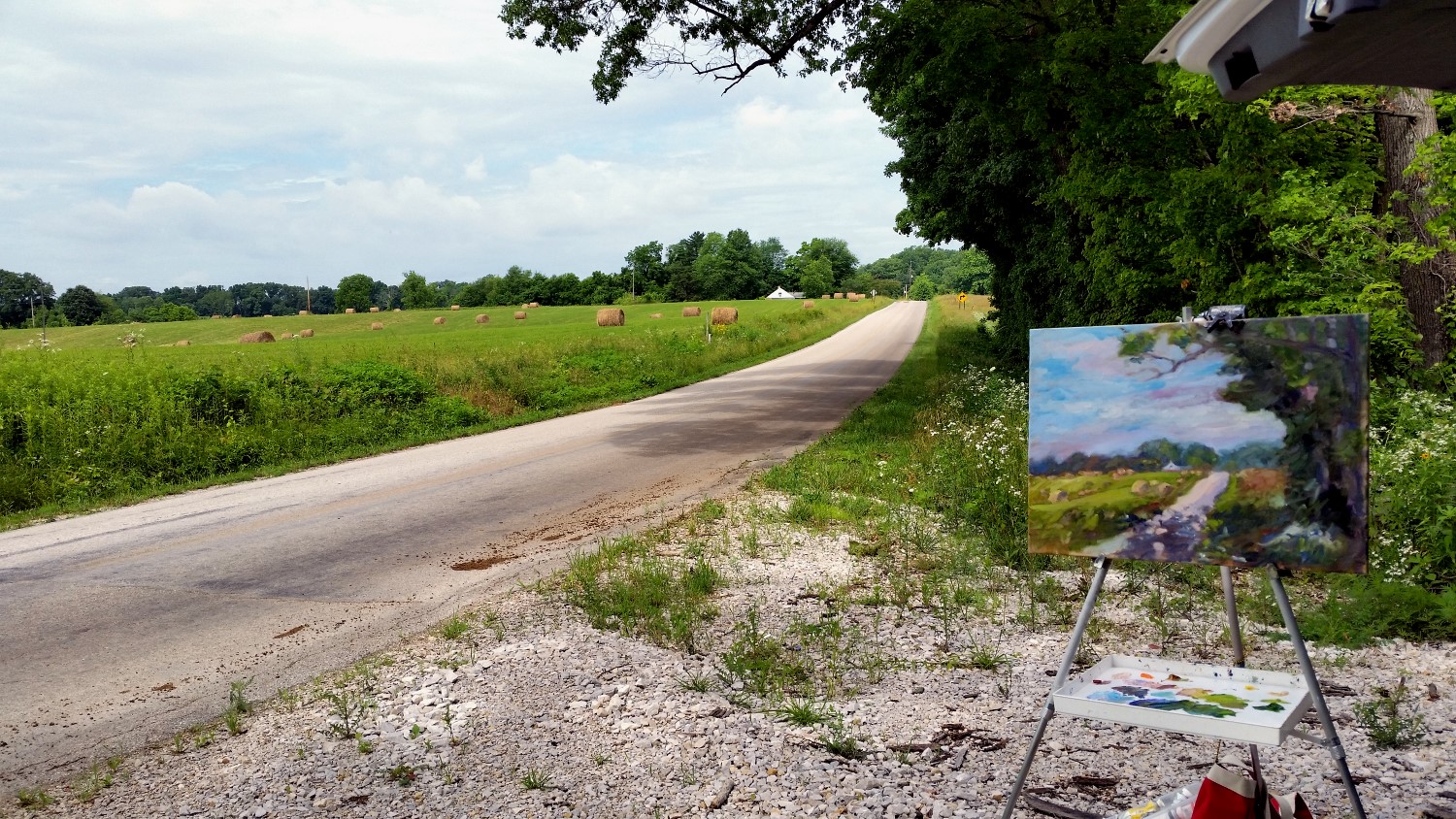
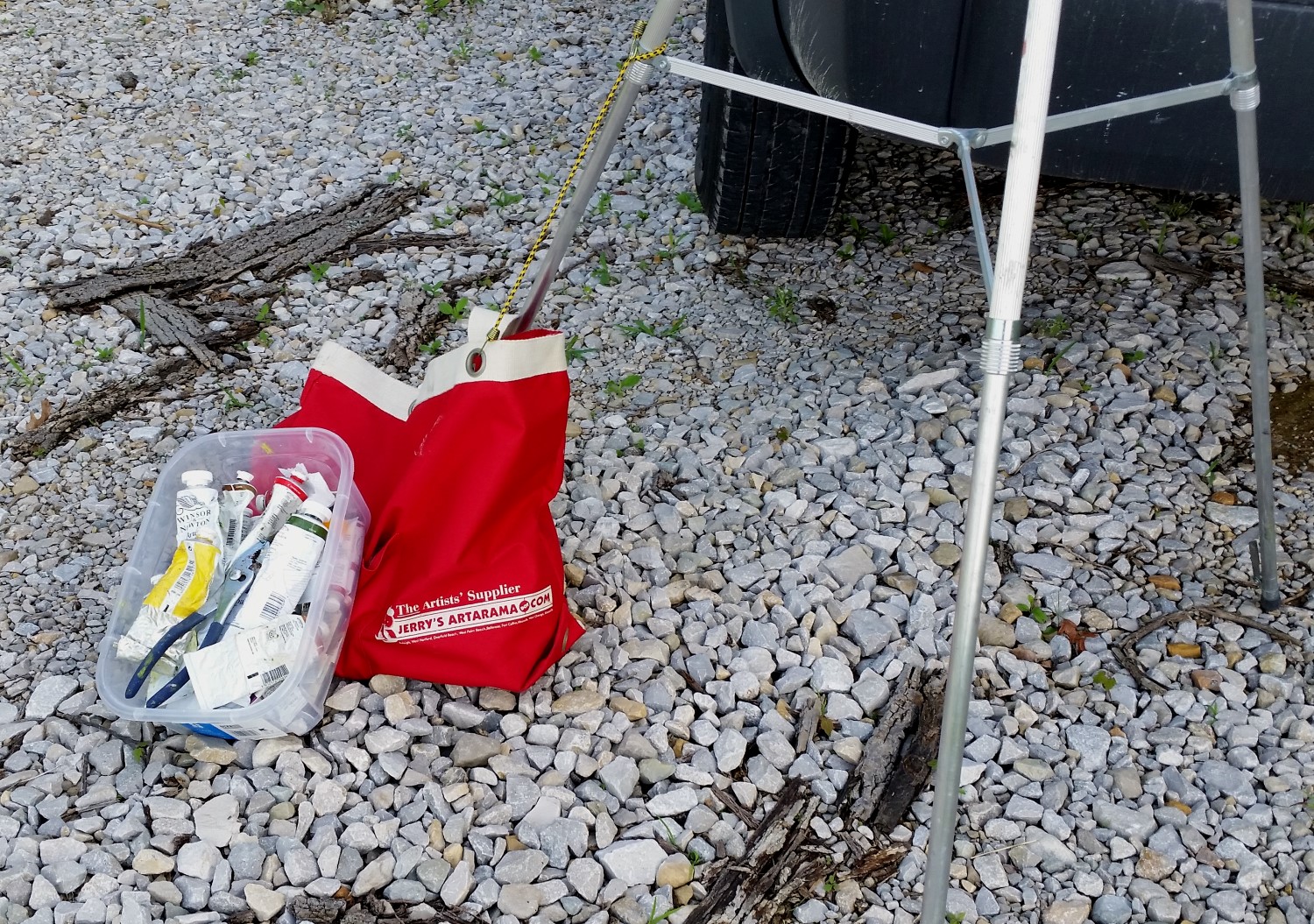
Today I returned to a likely spot.  Actually, I had intended to climb into the field but found that I liked the view from the road better, especially with the roof of a house showing which added an interesting focal point.  The painting went well and I came away with a pretty complete piece.  Some challenges were the wind so I had to improvise a weight for my portable easel.  Also, the flies were ferociously biting me.  Glad to have brought bug spray which is always in my travel bag.  And finally, I am positive that the manure spreader which passed my position three times, intentionally spilled a bit on the curve on which I was painting. Really!

Anyway, here is the final product and a few preliminaries.  It was painted on a toned canvas, 18 x 24, and took about two hours.  Feedback is always appreciated.
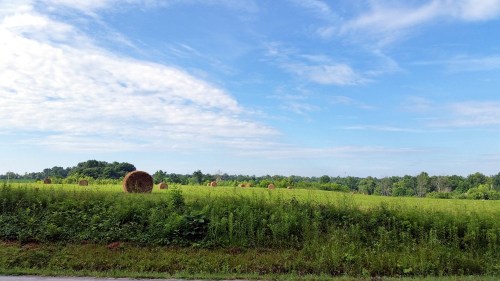
Hay bales, one potential view
Hay bales, one potential view

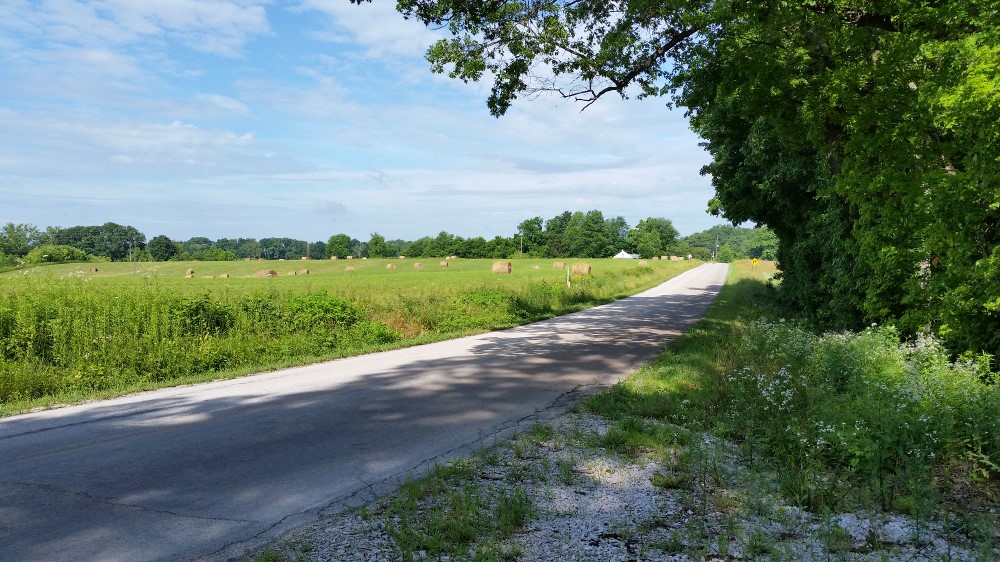
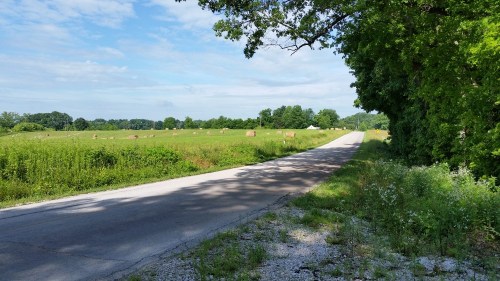
Final view chosen.  Loved the overhanging tree, the shadows and the contrasts.
Final view chosen. Loved the overhanging tree, the shadows and the contrasts.

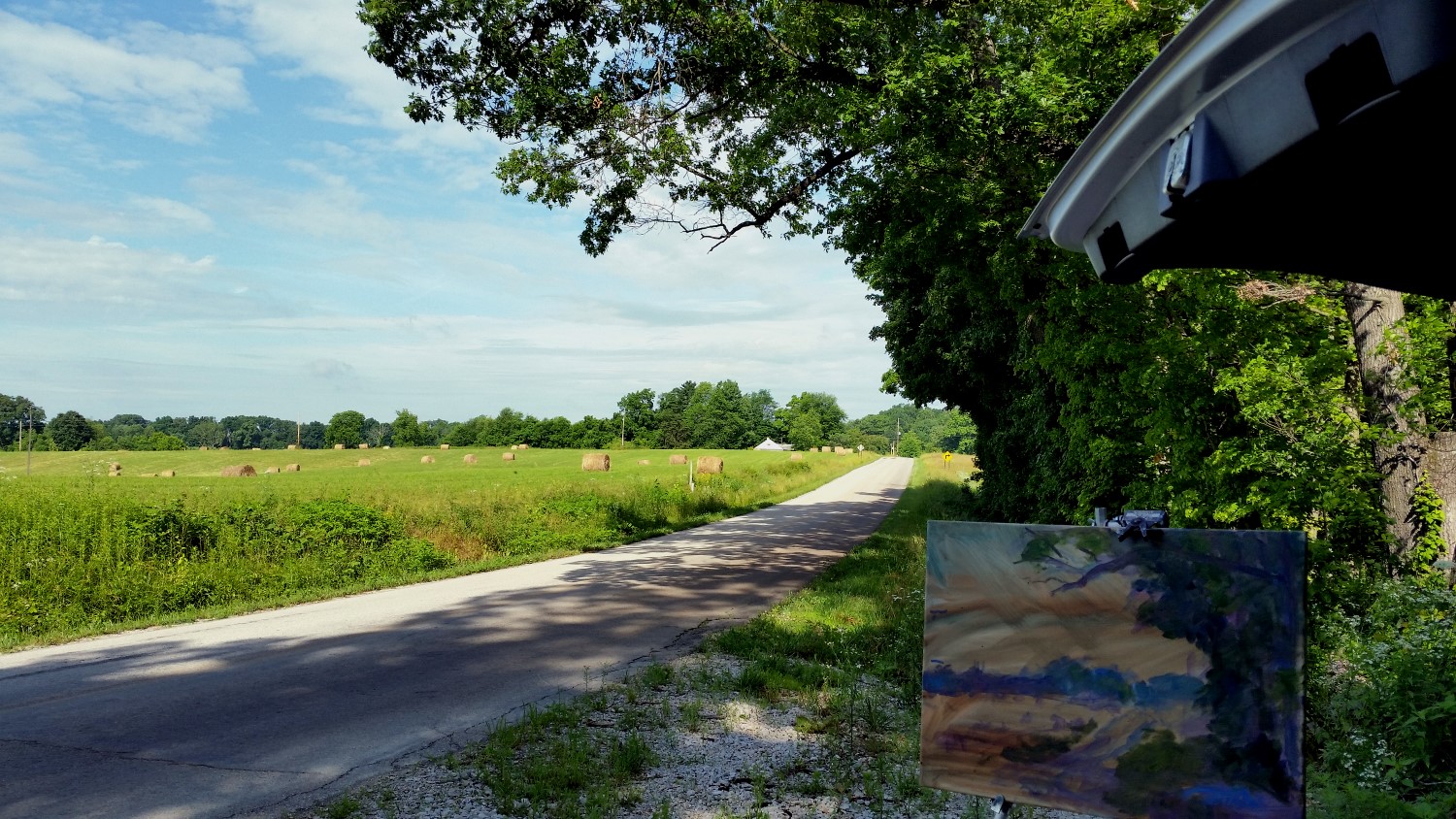
First laying in on toned canvas
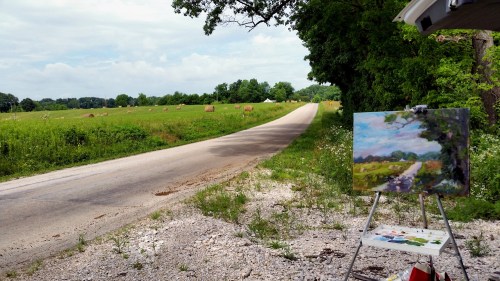
First laying in on toned canvas

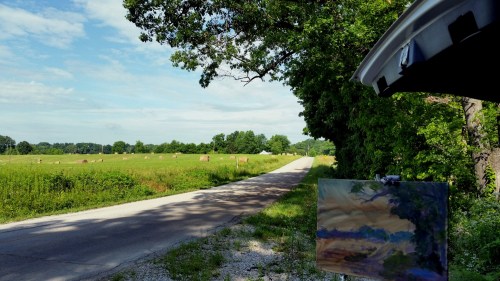
Final painting with scene behind.  About two hours.

Final painting with scene behind. About two hours.

Improvised weight to hold my portable easel in the breeze.
Improvised weight to hold my portable easel in the breeze.

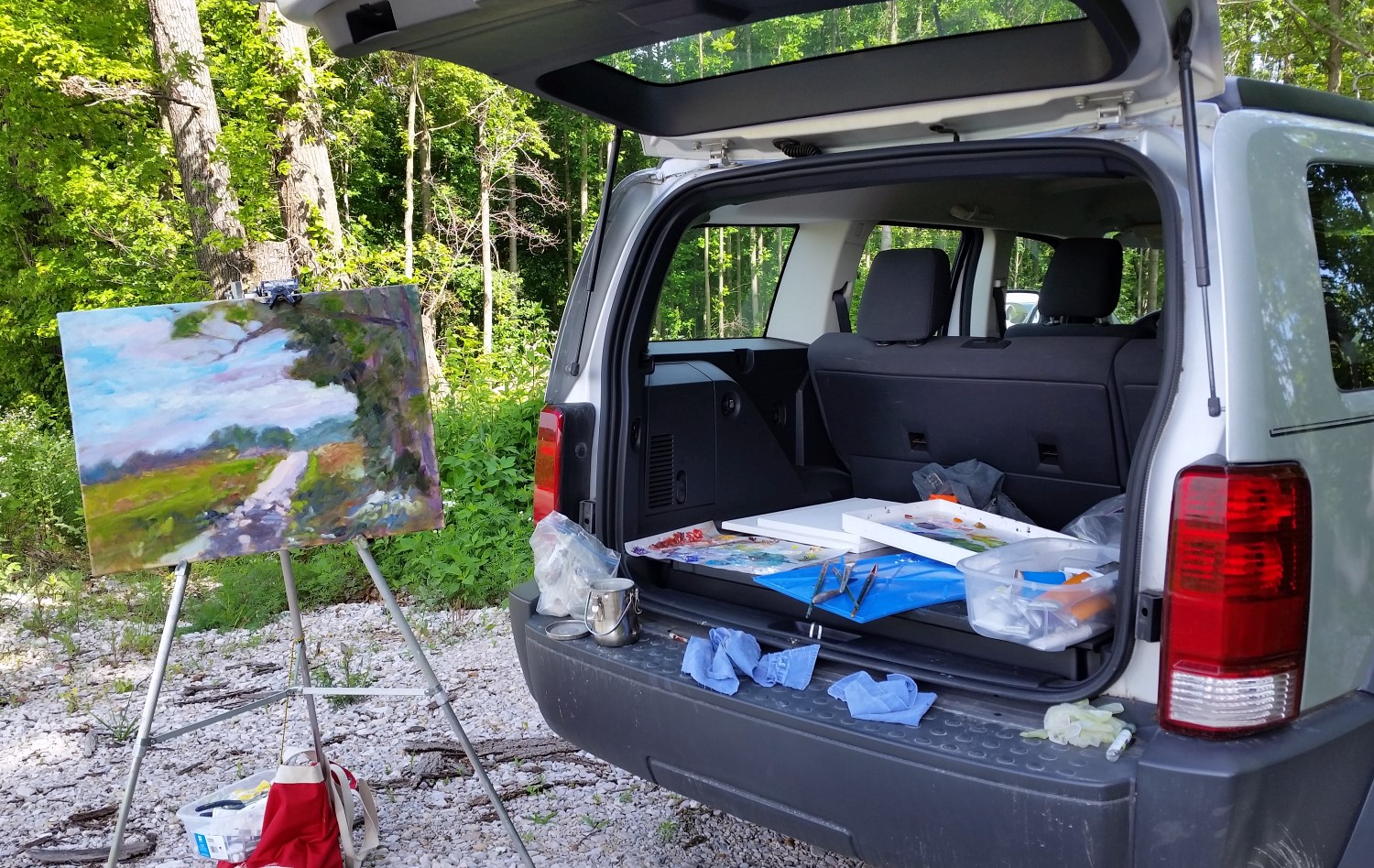
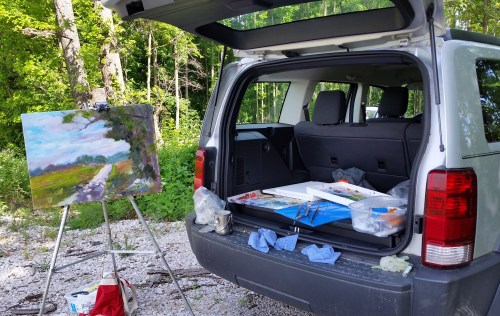
Car studio.  Easier than packing everything and a lot roomier.
Car studio. Easier than packing everything and a lot roomier.
Using red gel to determine values in your paintings

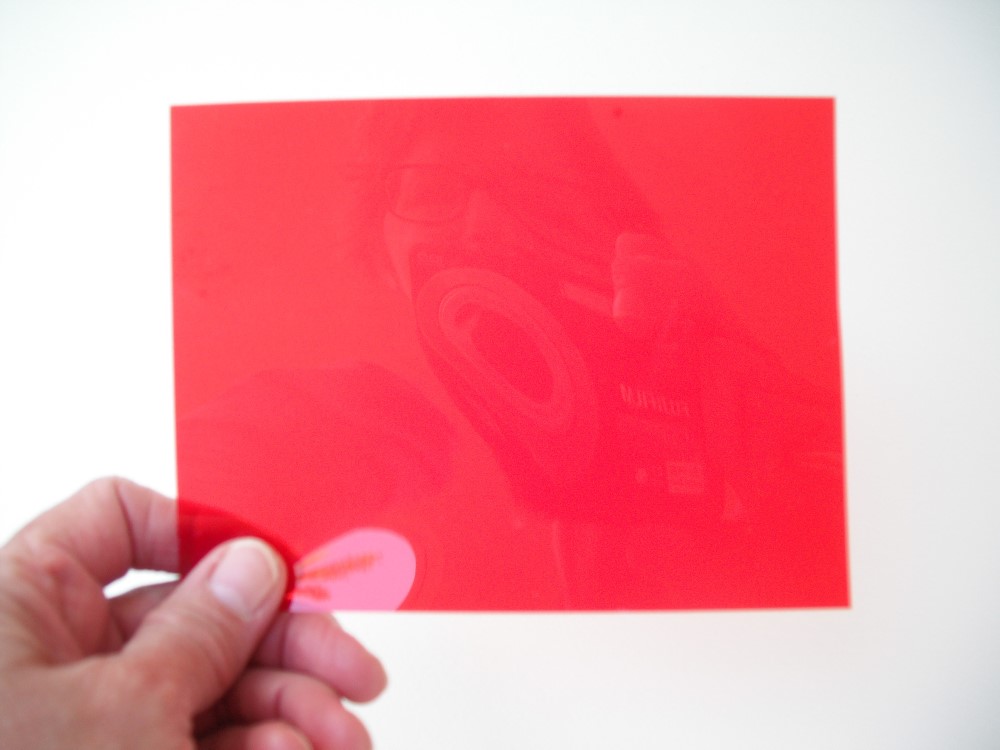
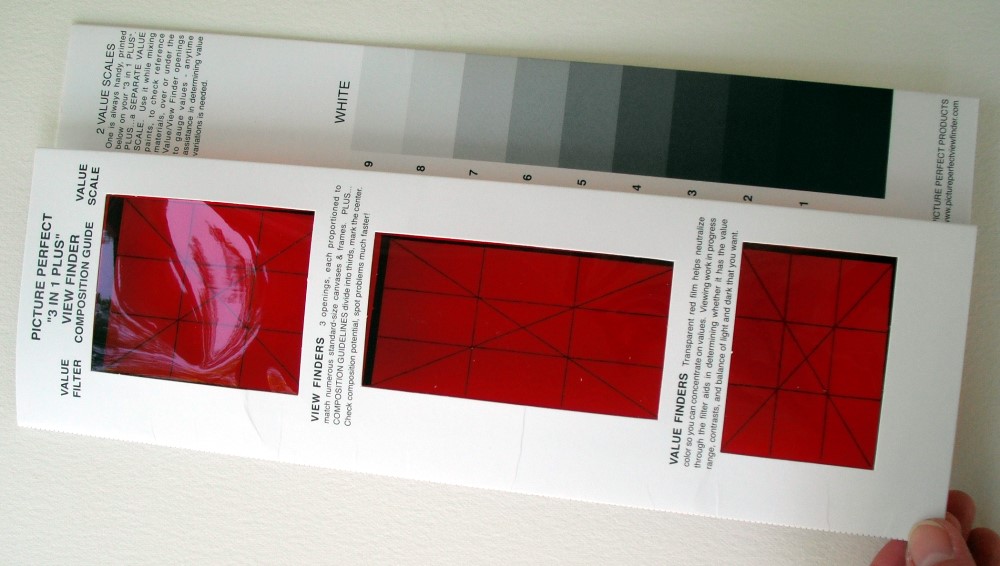
Sometimes using a piece of red gel (acetate)-  as in lighting gel – will help you see the values of your subject and painting better.  This seems to work best with landscapes as the red gel counteracts the greens, just leaving the values.

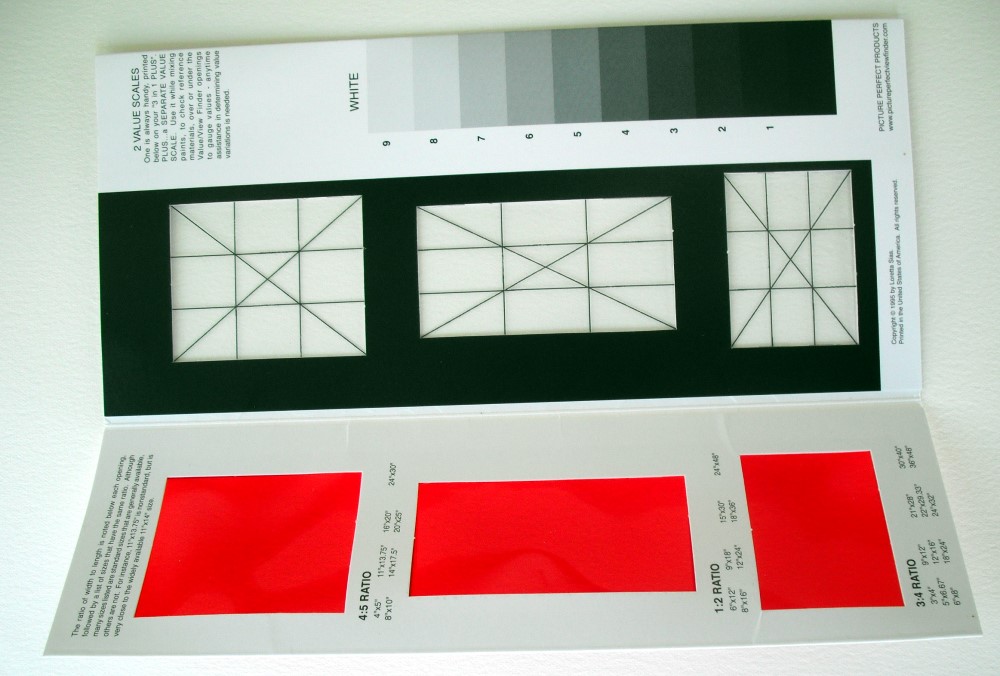
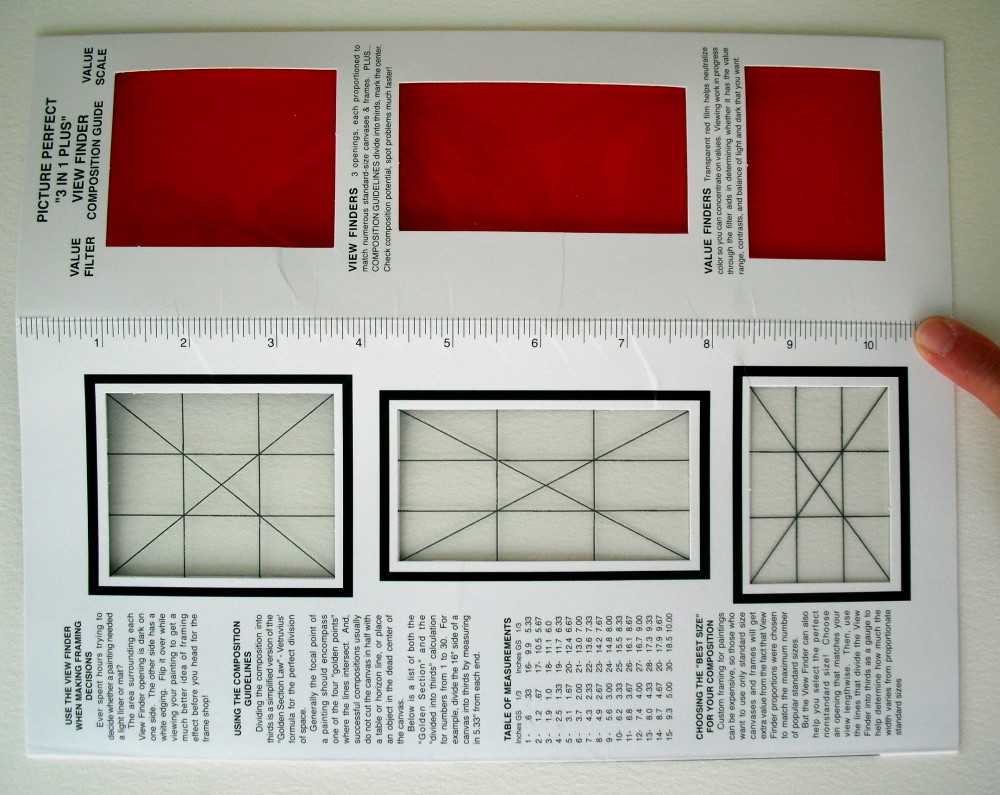
I’m not quite sure where I came across this idea but I always carry a piece of red gel with me.  You can acquire leftover pieces from most theaters in your area, even some universities. They use the gels to color the lights for the stage. Or you can buy it new on Amazon.com or at a theatrical supply store.  If you use a viewfinder, there is even a really neat gismo which you can buy at www.pictureperfectviewfinder.com which has the red gel built in, along with some value markers and different size openings for standard painting sizes.  Try it.  You’ll like it.

Piece of red gel, about 4 x 6

Piece of red gel, about 4 x 6

Folded over Picture Perfect View Finder showing the red gel and composition grids.

Folded over Picture Perfect View Finder showing the red gel and composition grids.

The Picture Perfect View Finder

The Picture Perfect View Finder

Back side of the viewfinder

Back side of the viewfinder

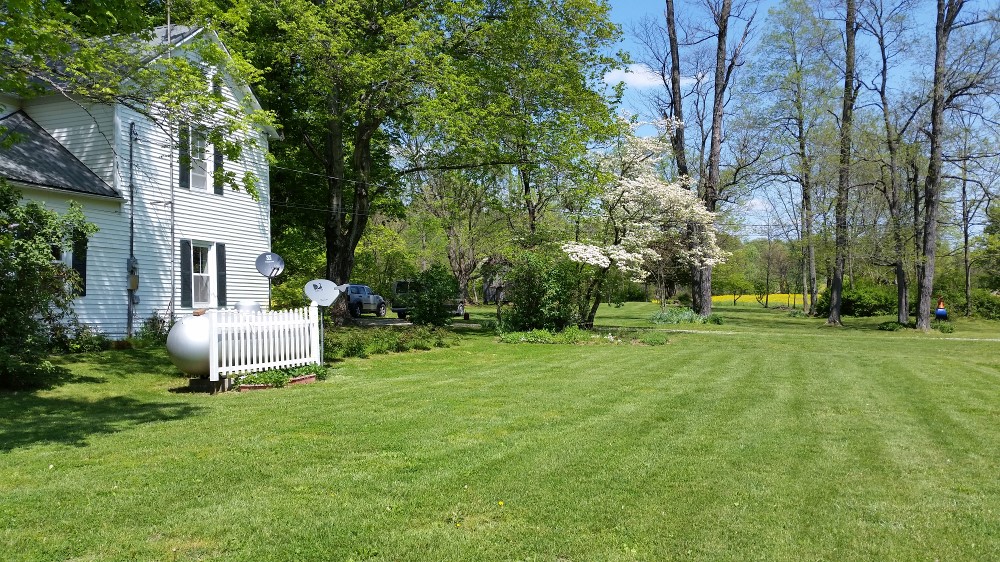
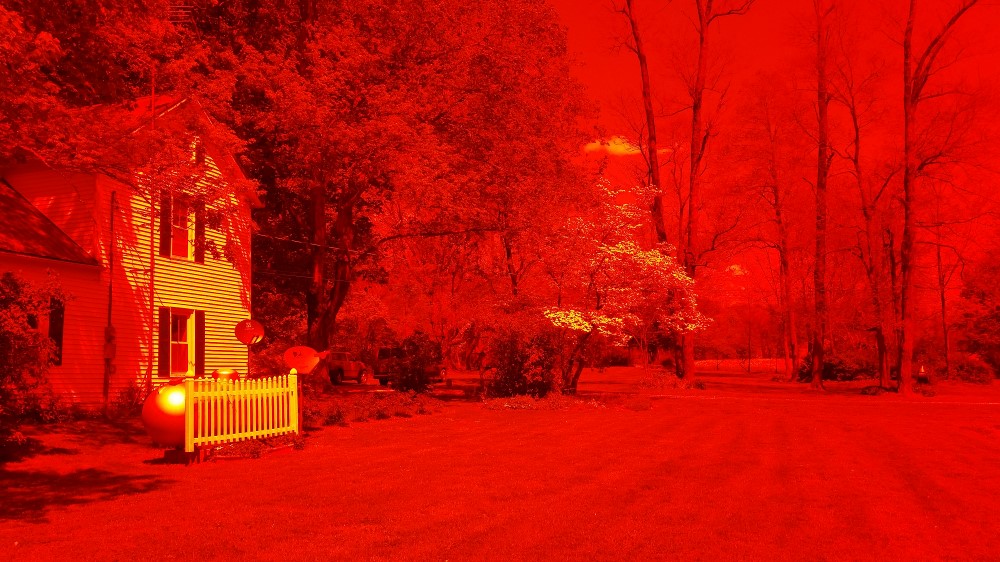
Landscape without the gel

Landscape without the gel

Landscape with red gel showing values

Landscape with red gel showing values

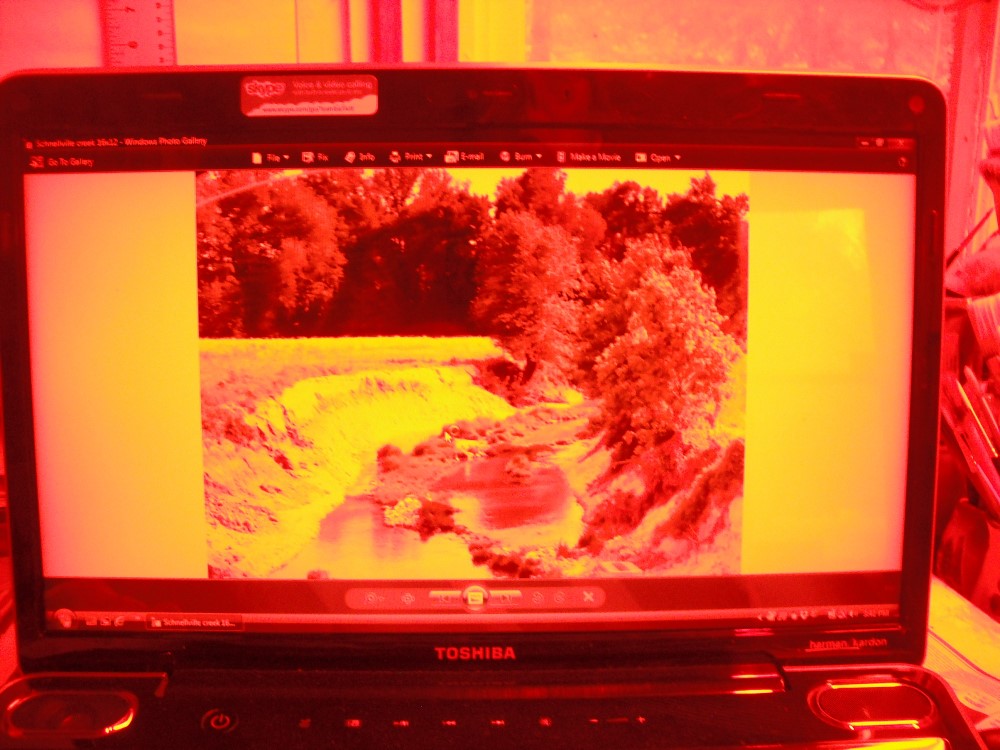
Using the red gel to look at computer photo

Using the red gel to look at computer photo

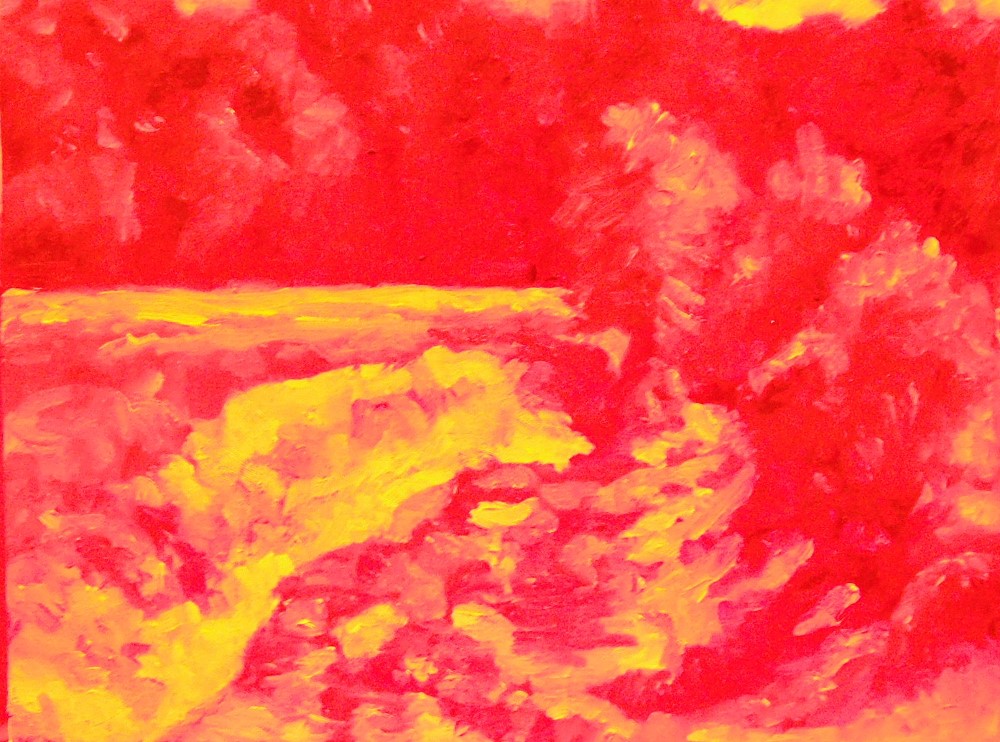
A landscape painting with the red gel

A landscape painting with the red gel

A landscape final version showing the values in the photo on the computer

A landscape final version showing the values in the photo on the computer

How to convey a feeling in painting

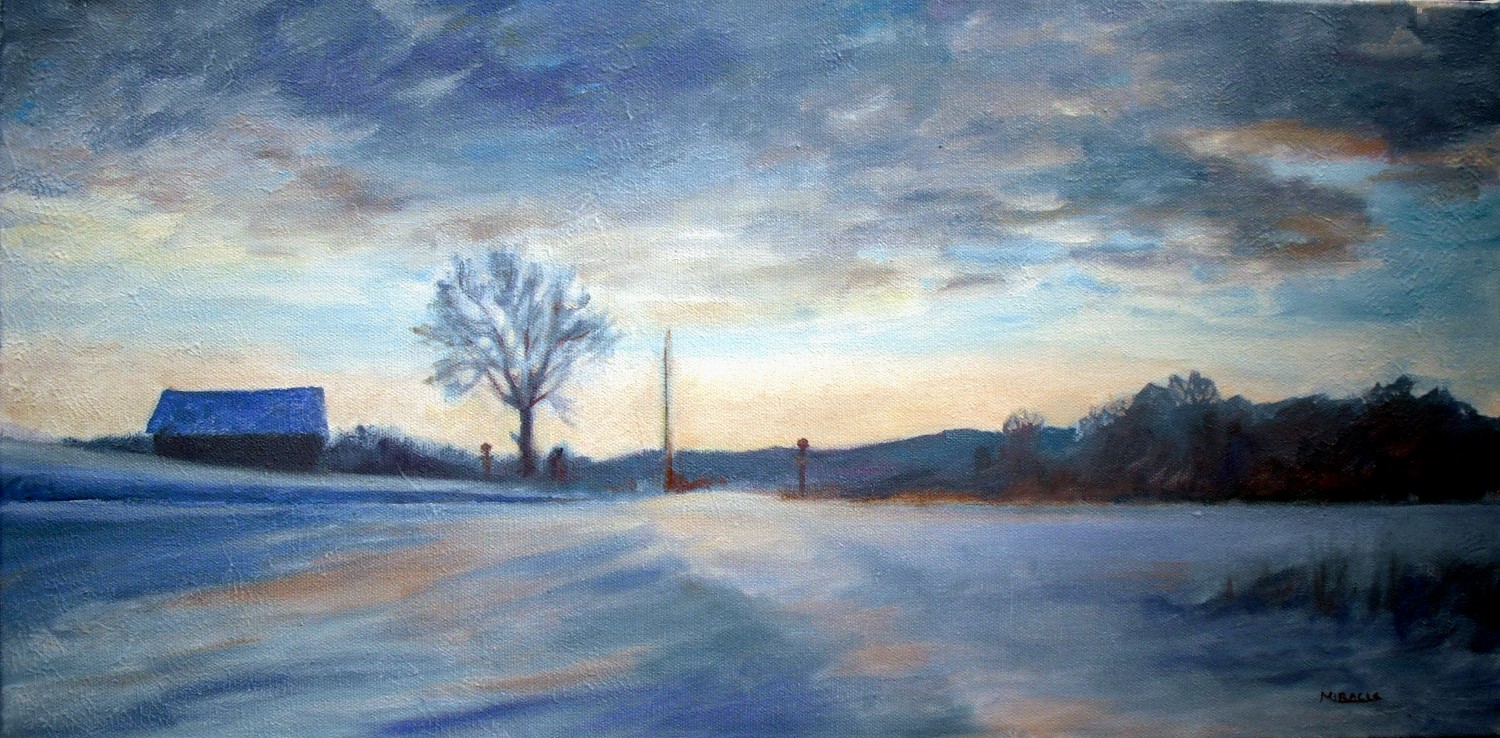
Winter in Mentor, Final, 12 x 24, oil on Canvas, Kit Miracle

Winter in Mentor, Final, 12 x 24, oil on Canvas, Kit Miracle

Artists usually have some reason that they paint a subject.  This could be a desire to convey beauty, despair, record something historical, or whatever.  In this painting, I wanted to convey the bone-chilling cold one early morning this month.  Check out my step-by-step page.

Painting New York

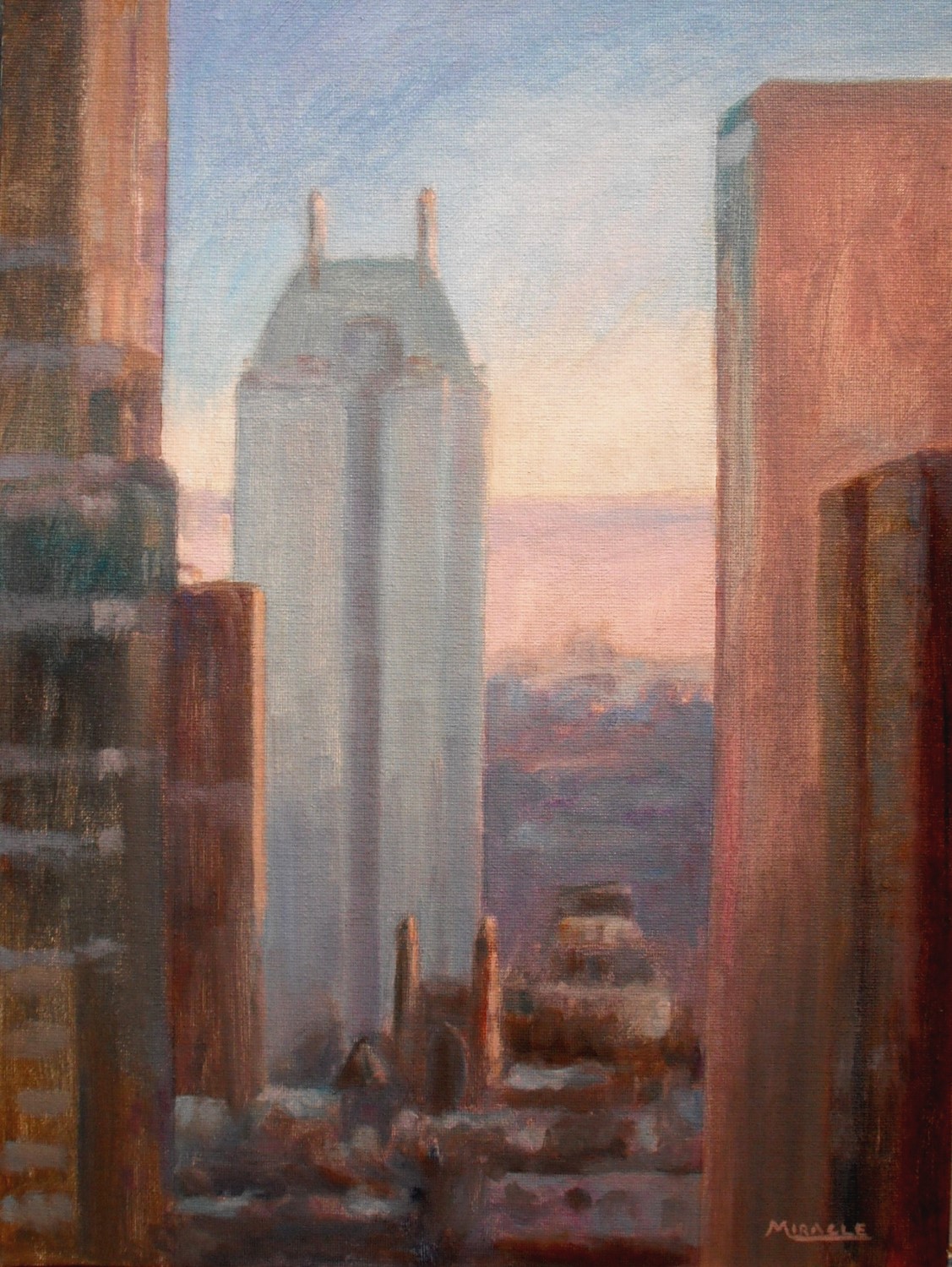
New York in January, Sunrise

New York in January, Sunrise

Each January I visit New York for conference.  Although I’m officially there for business, I never can seem to turn off my artist’s eye.  I’ve put  sketches up here before which I’ve done in museums, hotel rooms, night clubs.  Even just leaning against a wall in Times Square late at night.  Always interesting to me.  Most do not turn into finished artwork but are just memory notes.

This happens to be a painting that I did based on the view from my hotel room.  I love the early morning light dancing across the buildings with the cool colors of Central Park in the background.  There seemed to be some inversion layer going on which translated into a variety of impressionist colors.

When I create a painting like this, I’m often asked why I didn’t finish off the buildings.  But that wasn’t what attracted me to the scene, I reply.  It was the juxtaposition of hard and soft shapes, early morning light, a light dusting of snow on the roof tops.  I doubt the painting would have been improved if I had included every window, balcony, and detail.  This just leaves the soft feeling of a city wakening to a new morning.  What do you think?

Finding time to paint

A few weeks ago I was showing my studio to an elderly friend of mine who commented, “How do you find time to paint all these pictures?”  Now this woman has been a professional artist all her life, including many years as a commercial artist so I was a bit puzzled by her remark.  This reminded me of a situation a few weeks before then.  I was at a picnic with a group of friends.  They were sitting around talking about all their favorite shows, how they had downloaded several years worth of episodes.  Interestingly enough, I hadn’t watched any of the shows.  Ever.  Not one episode.

So back to the question of how I produce so many paintings.  I guess I just work at it.  It’s all about priorities.  I don’t have any more time than anyone else, probably less considering my day job as director of a multi-discipline arts center with some real crazy hours.  But this is just what I do.  It’s all about priorities.  Yes, I watch the news and might get sucked into Jeopardy or Antiques Roadshow, but mostly if I’m not painting, I’m reading or working outside.  I can usually squeeze in 15 or 20 hours per week which is the equivalent of a part-time job.  Even if I get only one painting done a week, that is still 52 per year.  Usually way more depending upon the size and complexity of the works. Not all paintings are the same quality and some are just sketches.  A plein air painting may only take a couple of hours before the light changes.  And I may work on it a bit more in the studio.  Some are just studies.  Some are more finished pieces.

So my usual reply to people who say they don’t have time to paint (or learn a musical instrument, read a novel, write a novel, etc.) is, “You can always make time for the things that are important to you.”

My question to you, is, “What are your priorities?”  Make the time for you.

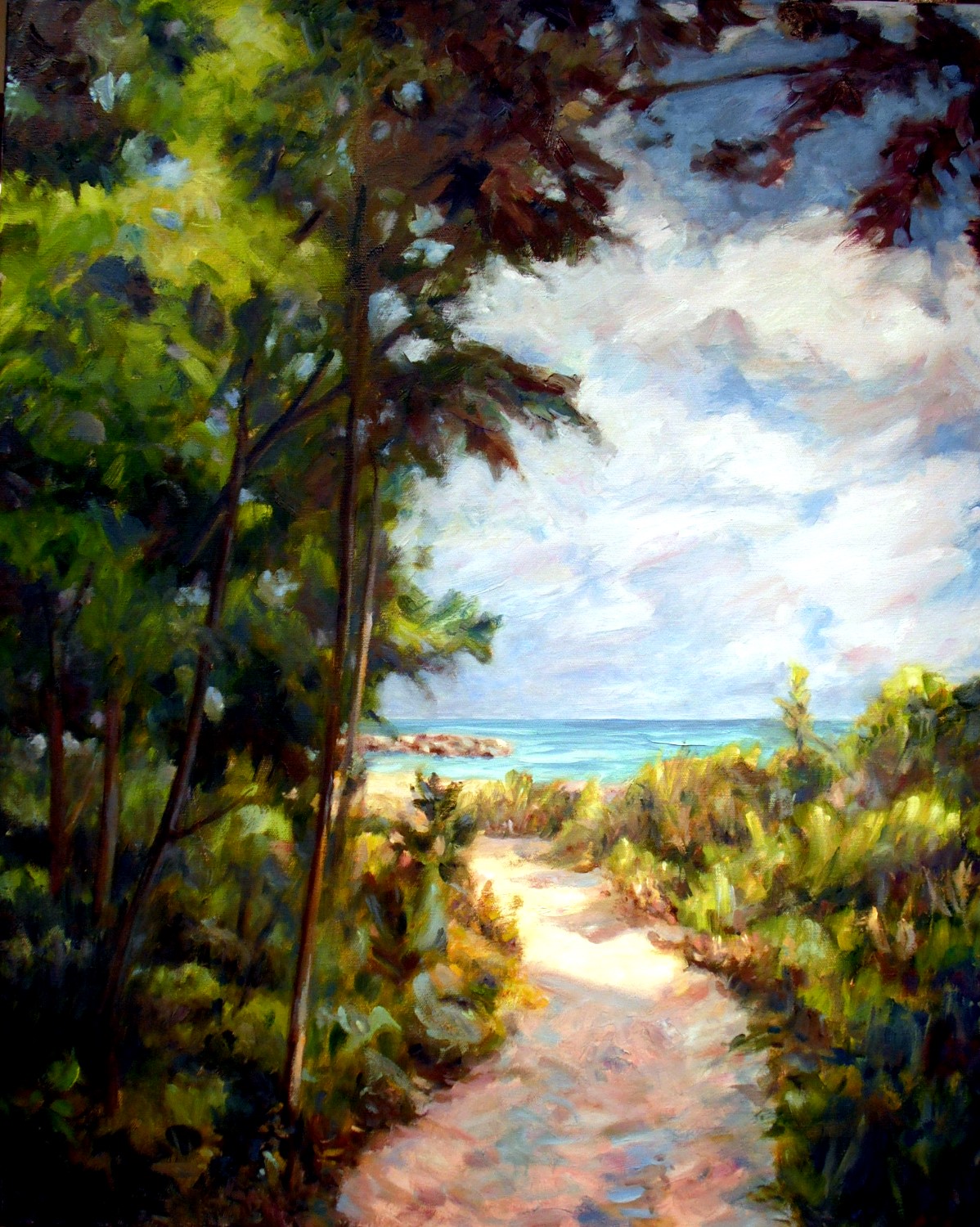
Path to the Beach, 24 x 30 oil on canvas, Kit Miracle

Path to the Beach, 24 x 30 oil on canvas, Kit Miracle

Painting Nova Scotia

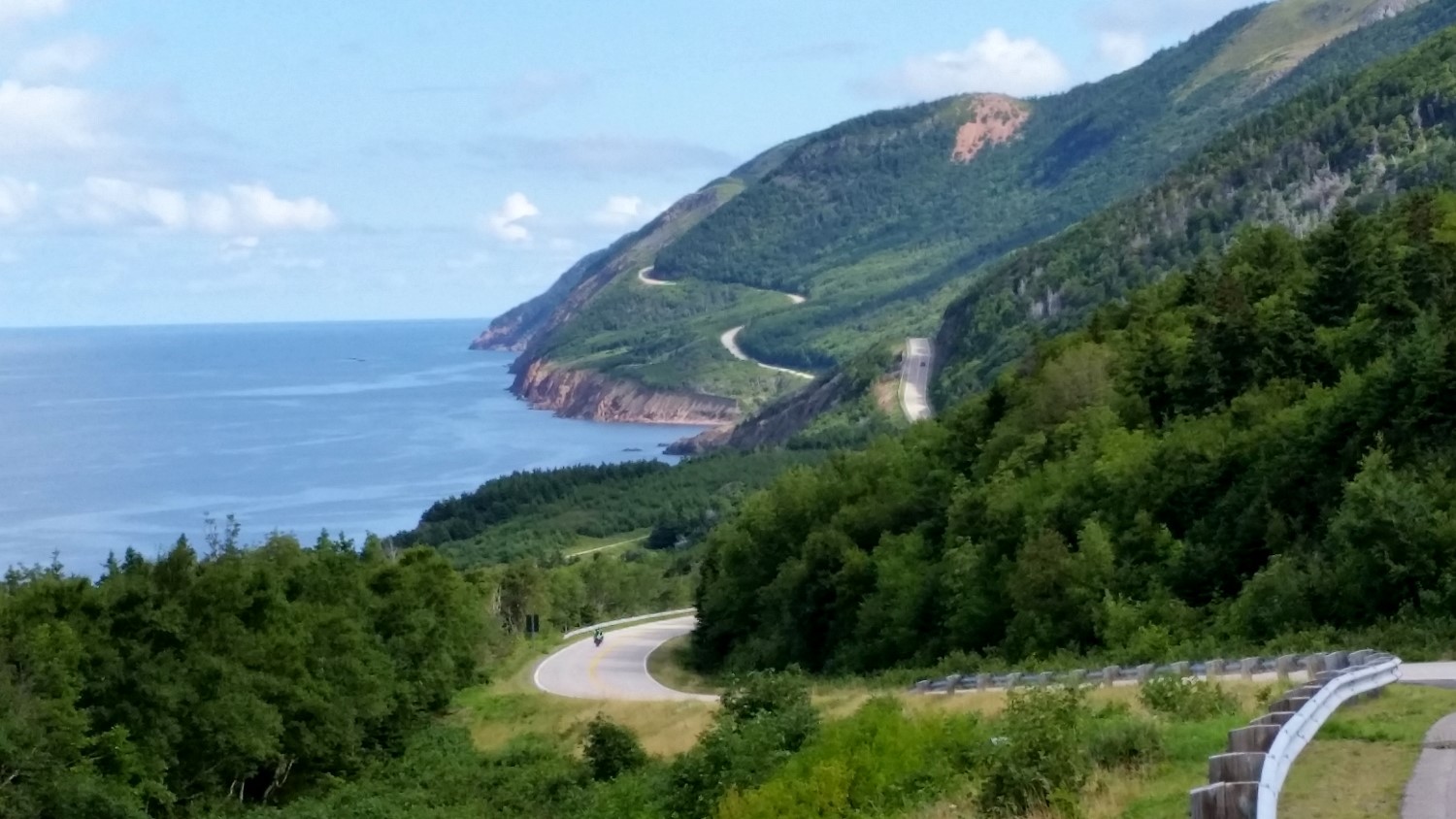
Cabot Trail, most iconic of drives.

Cabot Trail, most iconic of drives.

My husband and I made a trip to Nova Scotia last month.  Neither of us had been up that way.  It was so beautiful!  I took my painting materials but came home with enough subject matter to last for a long time.  We spent a week on Nova Scotia south shore, then toured the Cabot Trail in Cape Breton and finally ended on Prince Edward Island.  The weather was lovely with temps in the low seventies, dipping to the fifties and even forties at night.  Perfect for August, I think.

Nova Scotia Beach, Storm  Coming

Nova Scotia Beach, Storm Coming

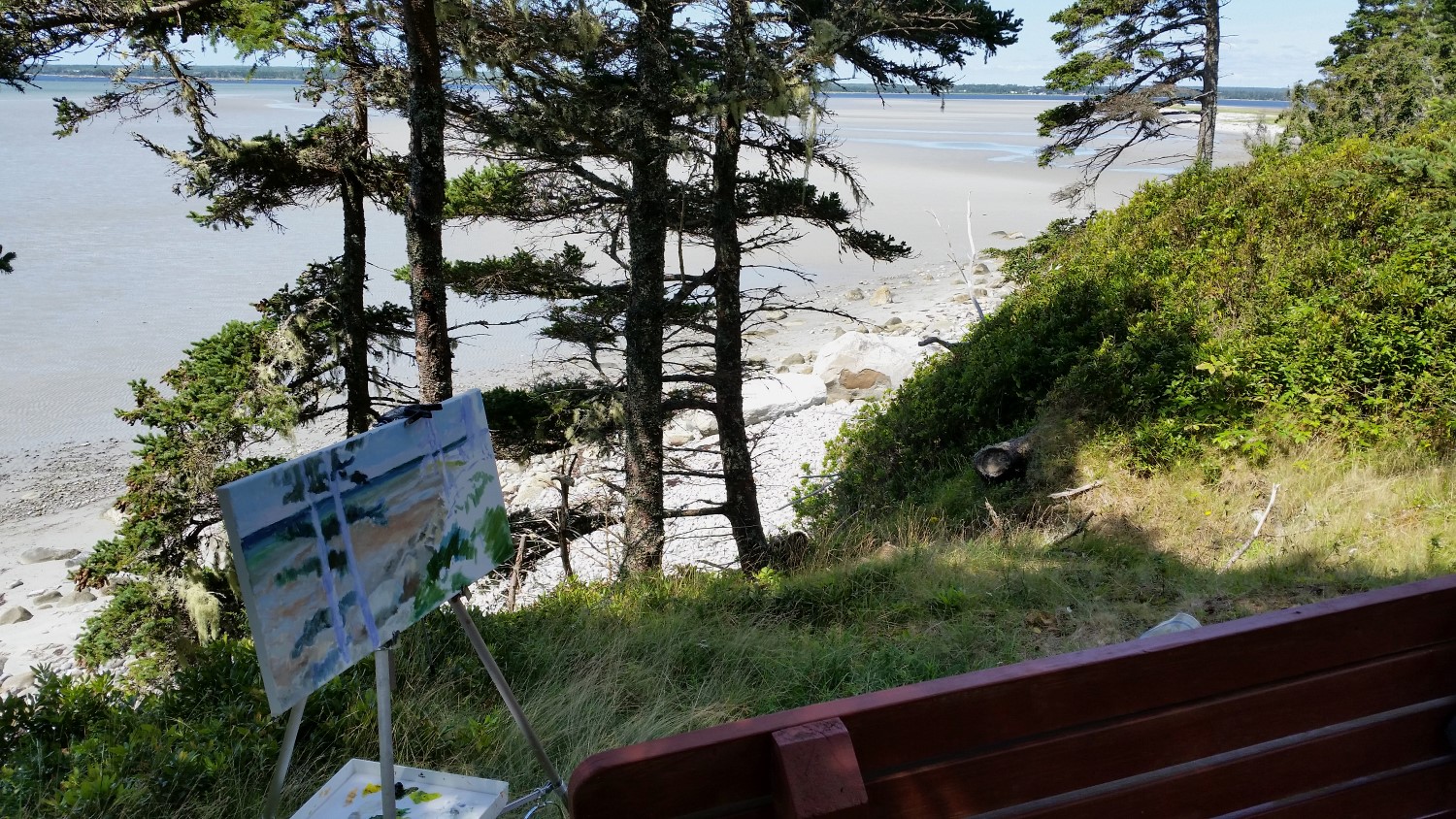
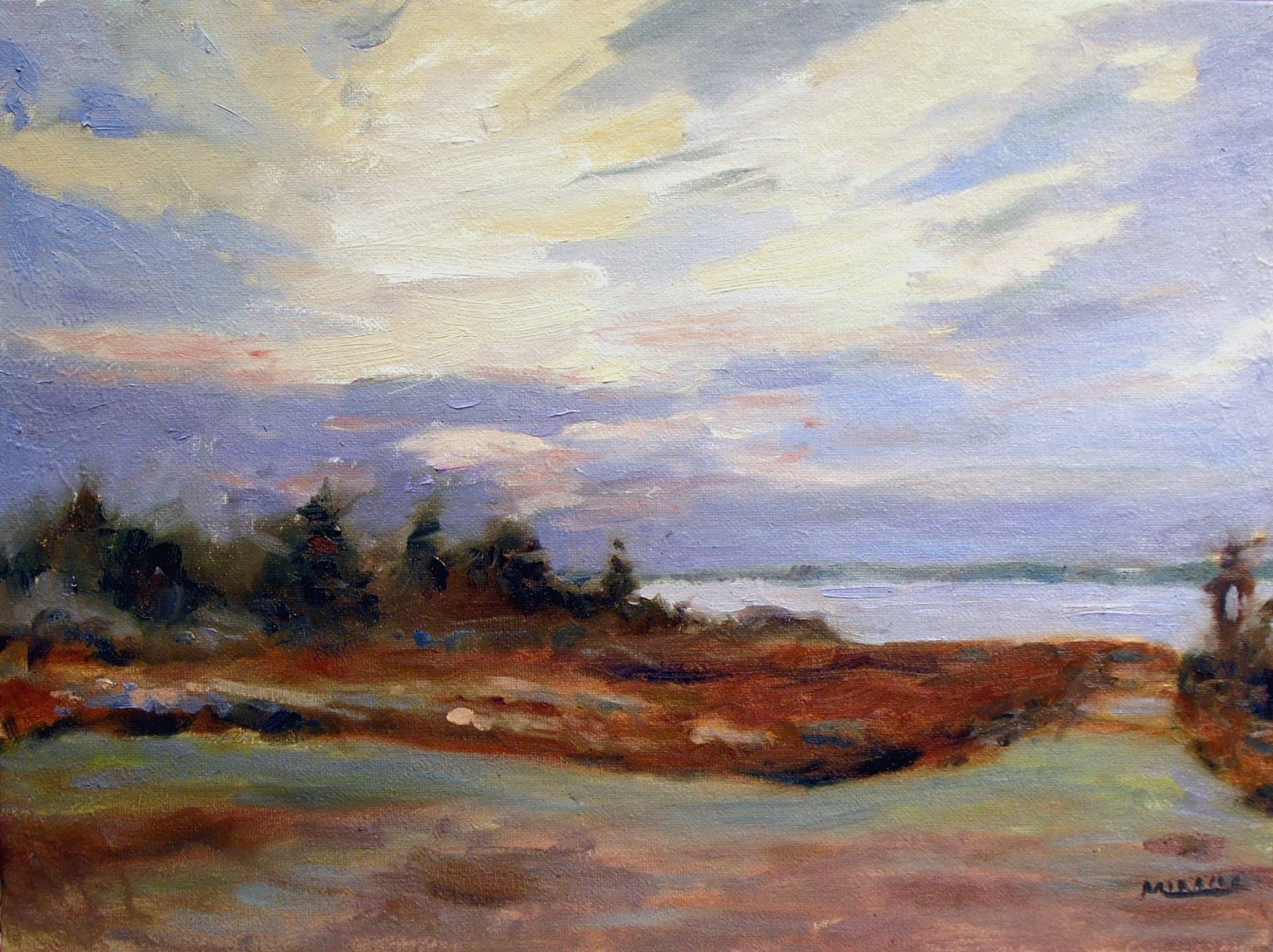
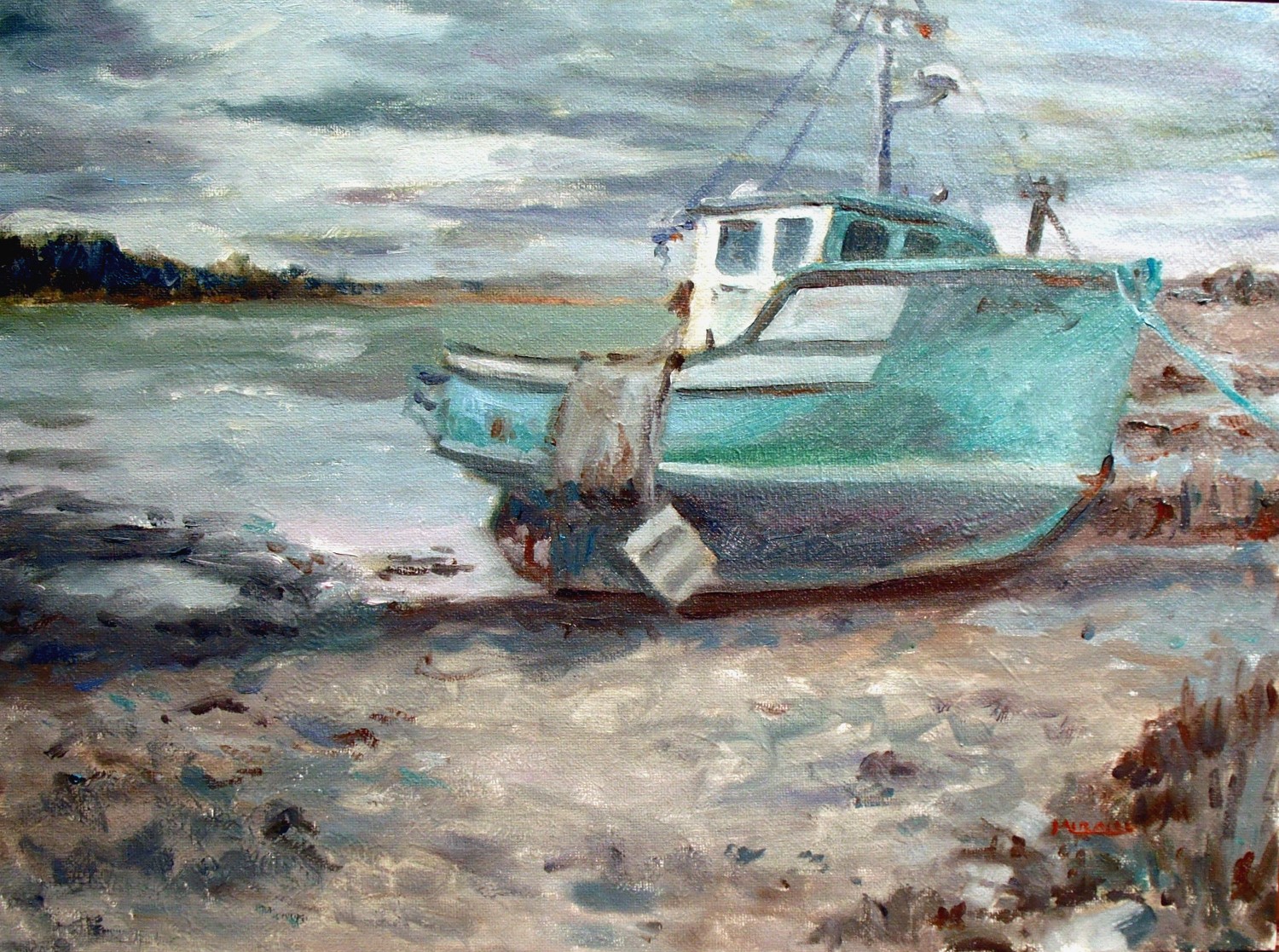
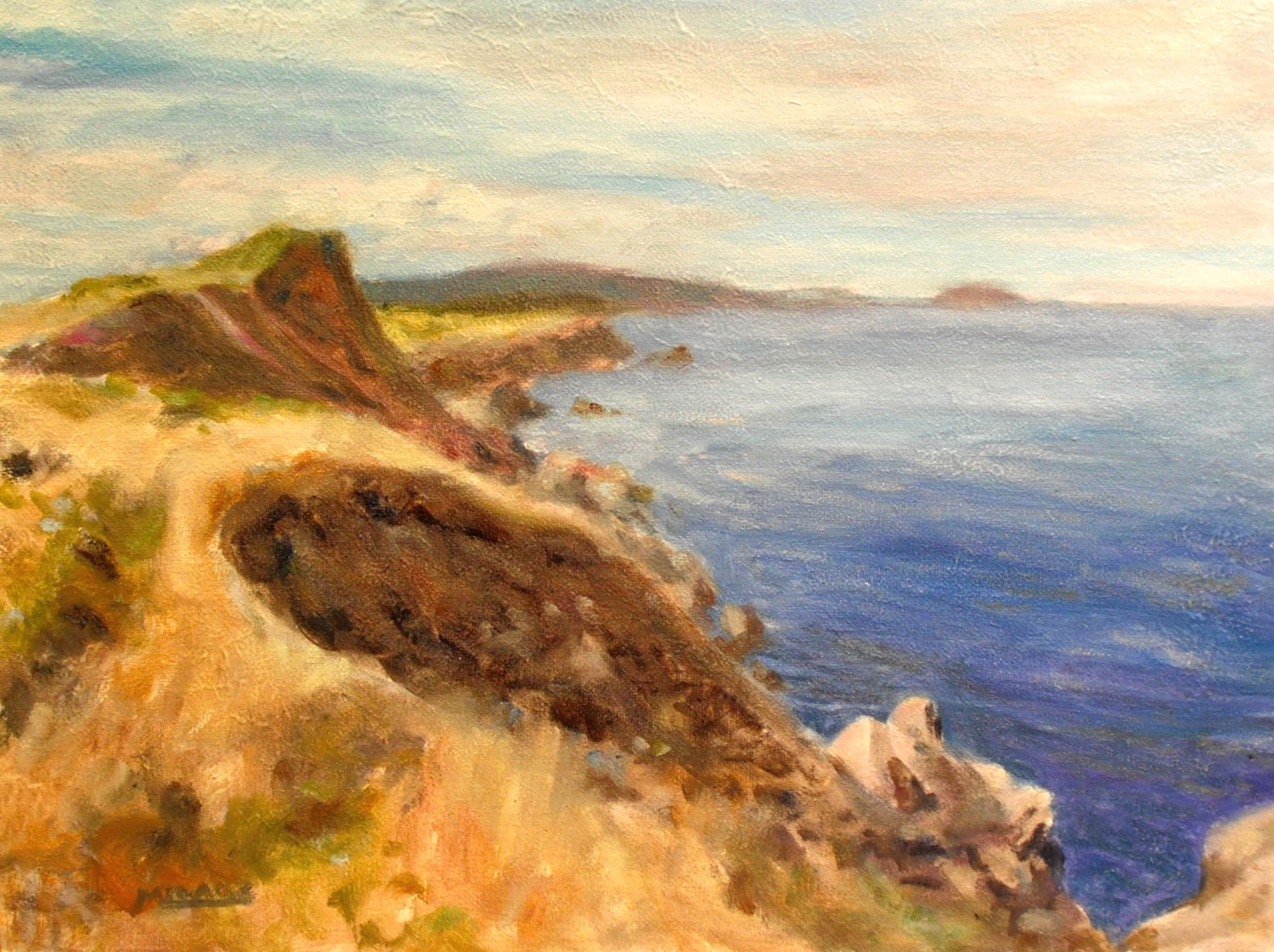
Here are the first few paintings, some painted on location, some back here at home.  Rugged shores, pines, ocean, beautiful sunsets and sunrises, quaint towns and fishing villages…what more could an artist want?  As always, I appreciate any feedback.

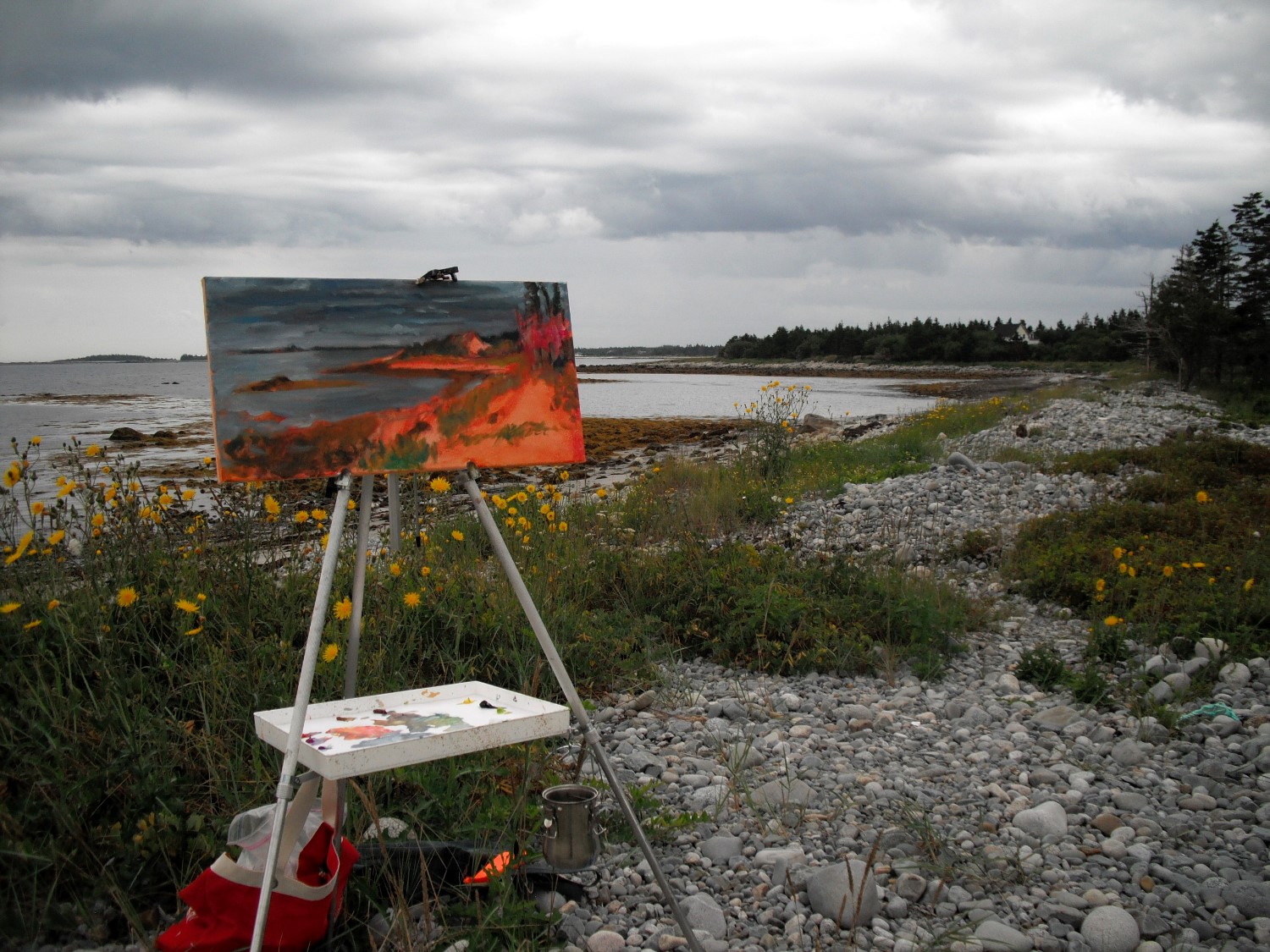
Painting at Sand Hills Beach, Nova Scotia, Kit Miracle

Painting at Sand Hills Beach, Nova Scotia, Kit Miracle

Sunrise, Nova Scotia, oil on canvas, 12x16, Kit Miracle

Sunrise, Nova Scotia, oil on canvas, 12×16, Kit Miracle

French Lily, oil on canvas, 12x16, Kit Miracle

French Lily, oil on canvas, 12×16, Kit Miracle

Cape Breton, Cabot Trail, 12x16, oil on canvas board, Kit Miracle

Cape Breton, Cabot Trail, 12×16, oil on canvas board, Kit Miracle