Category Archives: plein air

Plein Air Painting at Patoka Lake

First day of vacation for me…finally.  So does a plein air painter sleep in?  Heck, no!  Up at the crack of dawn to paint at the beautiful Lake Patoka which is just right down the road from me.  Fortunately the oppressive heat wave is over for a while so the morning could not have been more pleasant.

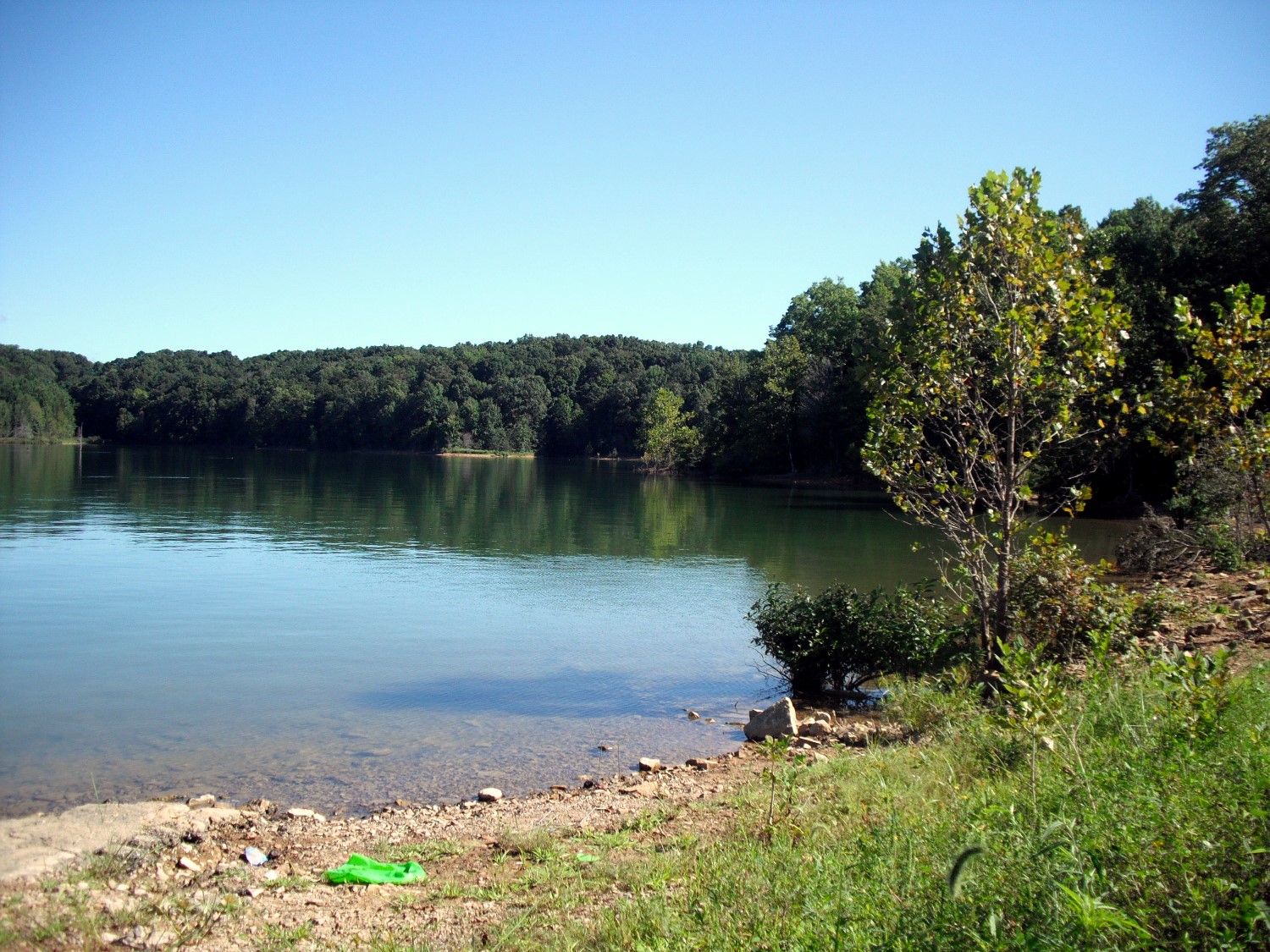
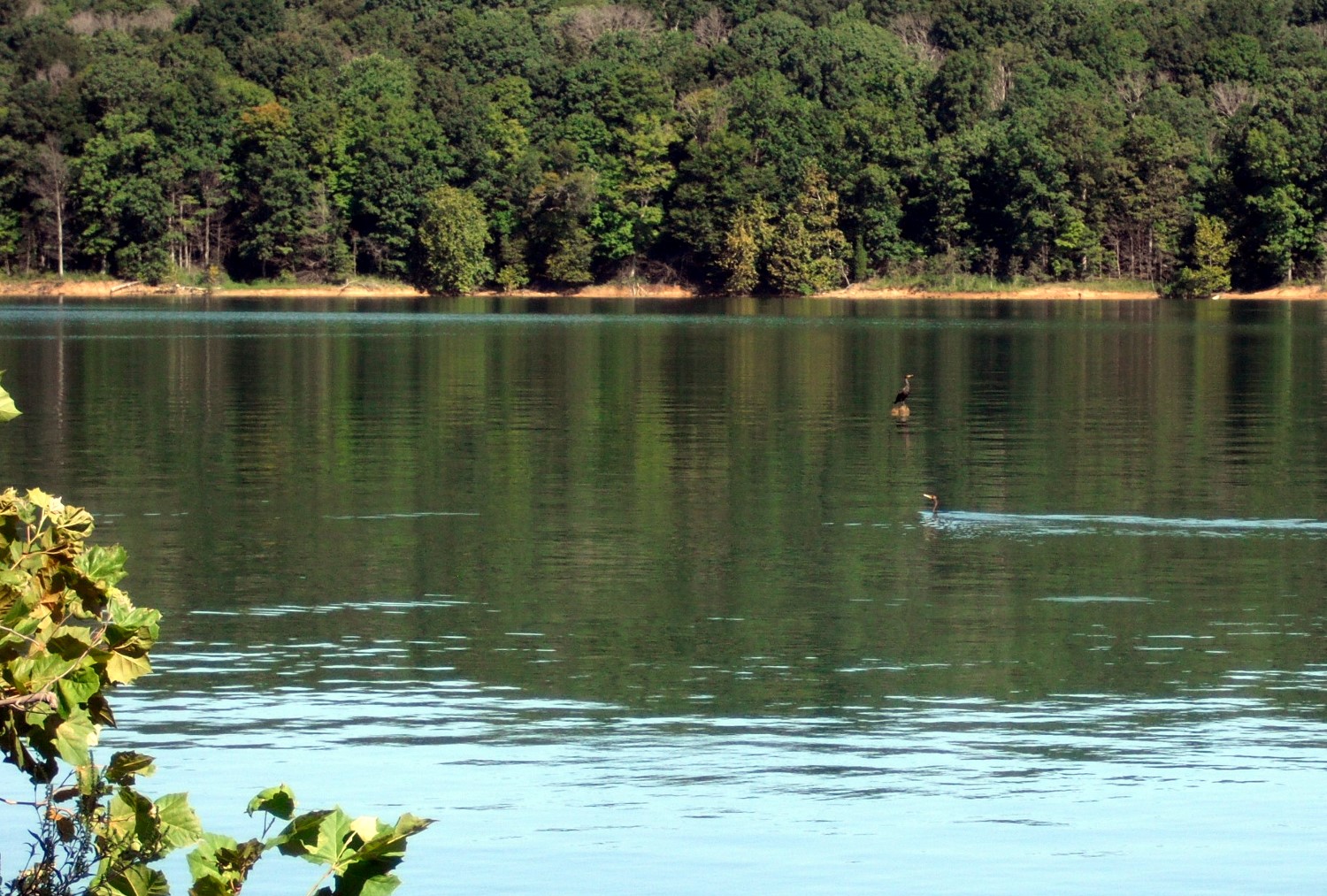
Lake Patoka has 8,800 surface acres set in a 29,000 acre state recreation area.  So peaceful and not crowded.  I have been scouting places to paint and selected this site on the eastern side of the lake.  No one was there except me and the cormorants fishing for their breakfasts.

Cormorants fishing for breakfast at Lake Patoka

Cormorants fishing for breakfast at Lake Patoka

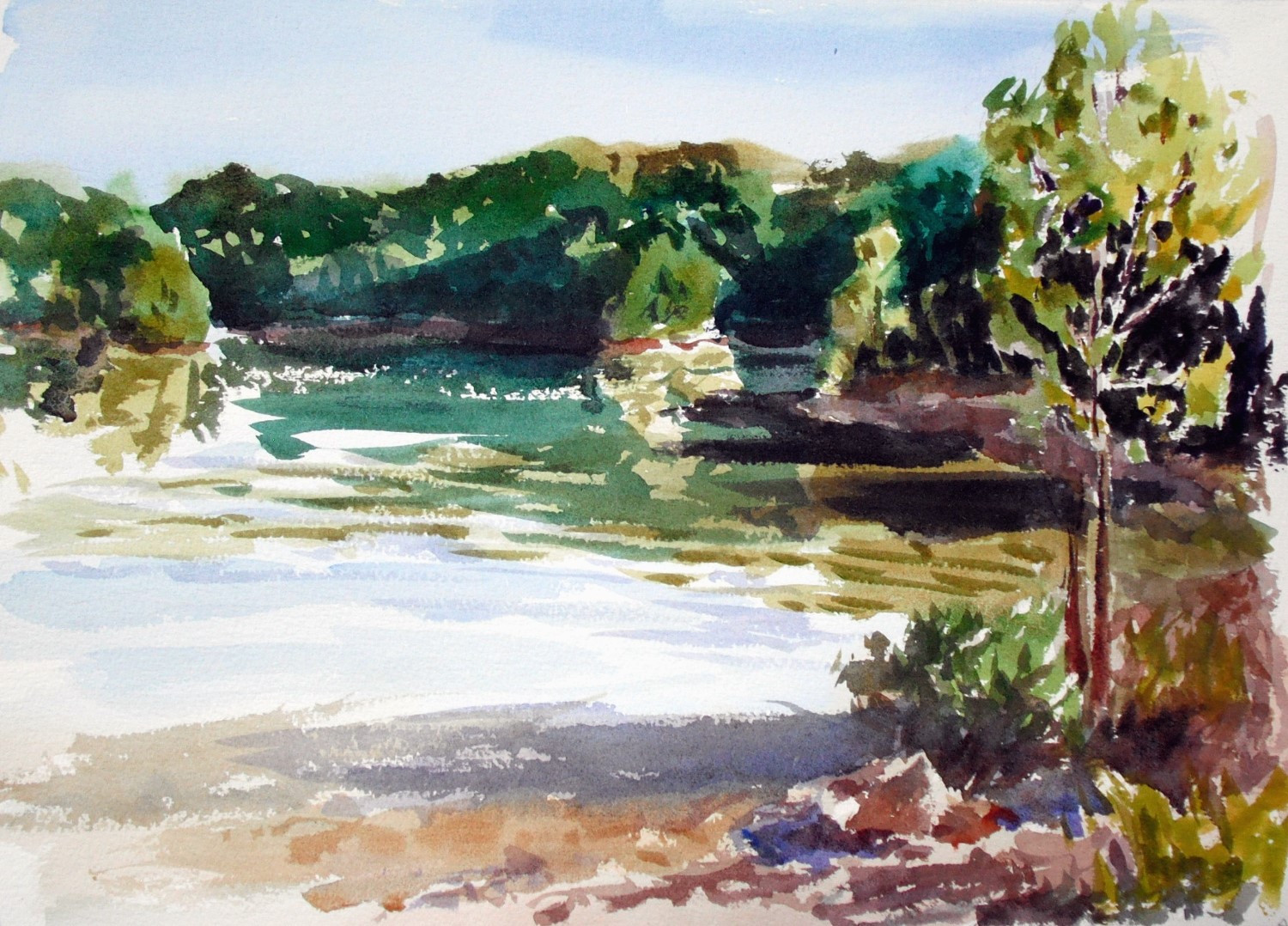
The first painting was facing north with the strafing light and shadows from the right.

Patoka Lake, first site

Patoka Lake, first site

First plein air painting at Patoka Lake.  11x14, watercolor, Kit Miracle

First plein air painting at Patoka Lake. 11×14, watercolor, Kit Miracle

The second painting was facing west with the sun at my back.

Second site at Patoka Lake

Second site at Patoka Lake

Second plein air painting at Patoka Lake, 11 x 14, watercolor, Kit Miracle

Second plein air painting at Patoka Lake, 11 x 14, watercolor, Kit Miracle

Plein air painting, old buildings

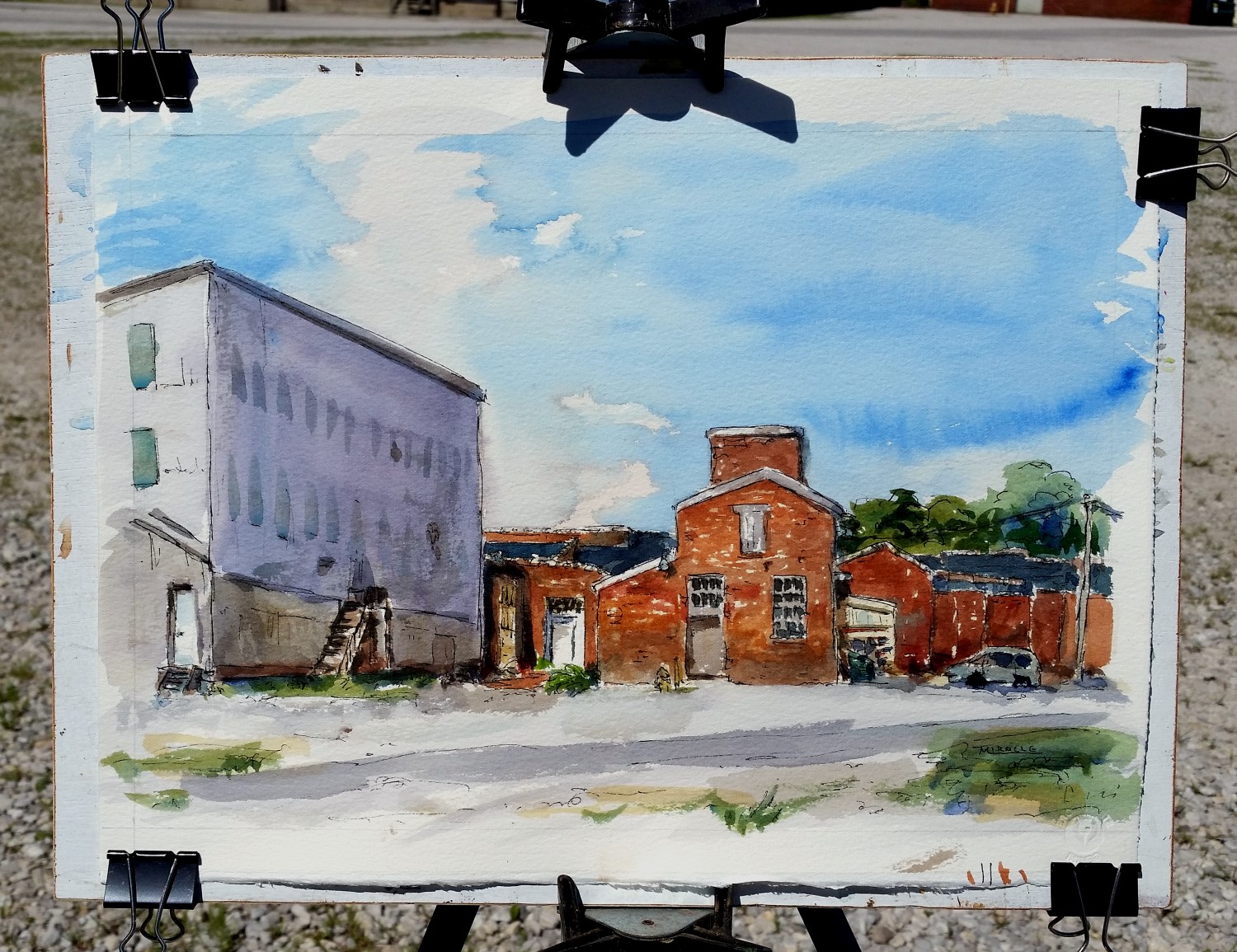
Hoosier Desk Building, Final. Watercolor / pen and ink, 11 x 14, Kit Miracle

Hoosier Desk Building, Final. Watercolor / pen and ink, 11 x 14, Kit Miracle

Today I decided to paint this old factory building.  It has undergone so many renovations and additions over the years.  Very interesting from many aspects.  I selected this broad scene (and it really could have been a panorama if I had brought larger paper with me).  I may end up doing some close-ups of the interesting architecture over the coming months.

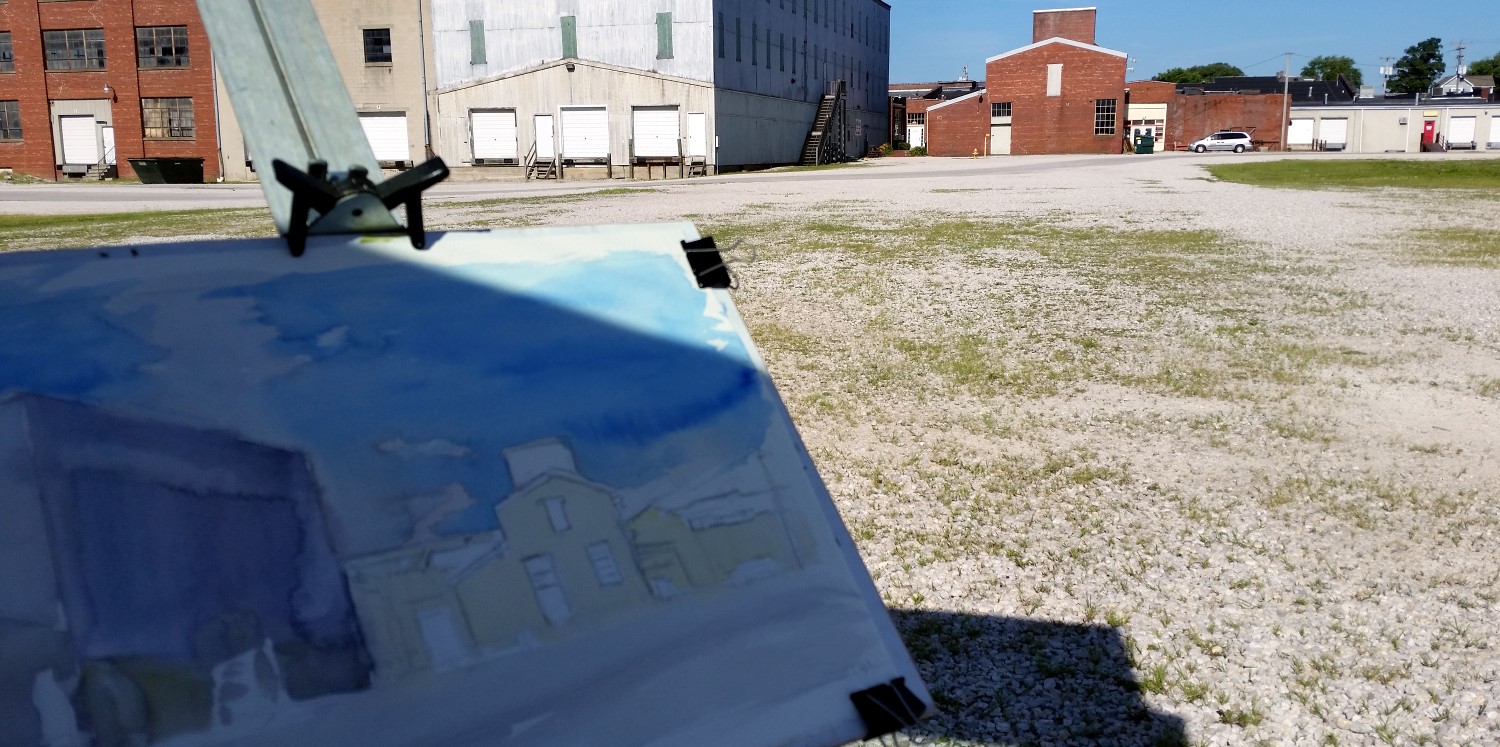
Today’s challenge was to work with some speed in order to beat the changing position of the sun and the shadows.  This is why so many artists like to paint on cloudy days.  I don’t so I just have to paint quickly or remember where I want to keep the sun and shadows even as they move.

Plein air painting, Hoosier Desk Building. Beginning

Plein air painting, Hoosier Desk Building. Beginning

Painting the Ordinary

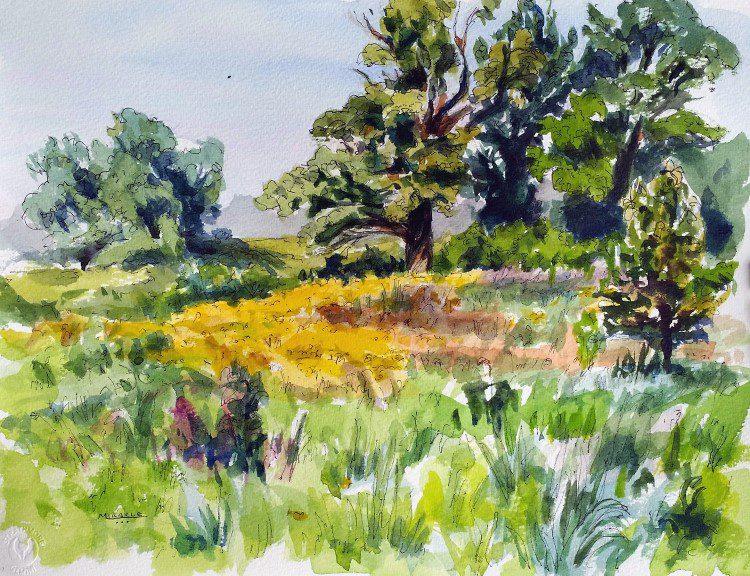
Old Oak on College Avenue, watercolor, pen and ink, 11 x 14

Old Oak on College Avenue, watercolor, pen and ink, 11 x 14

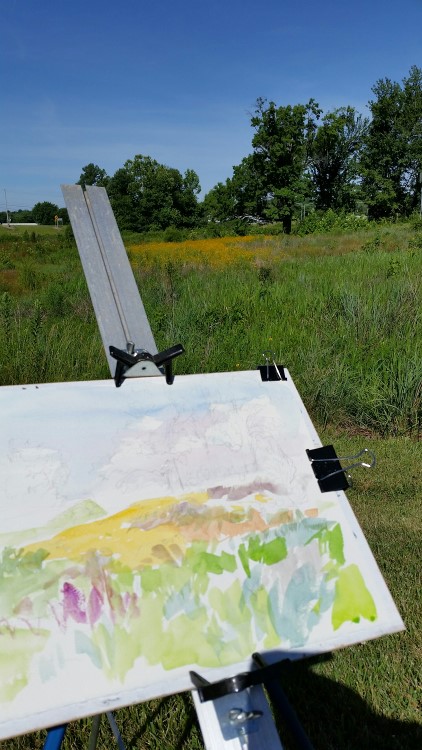
I have a lovely long drive to work every day, about 20 miles through fields, woods, and small villages.  This is a great time for taking stock of my thoughts, listening to recorded books, and looking for future painting subjects. One place that I pass every day is this field with the giant old oak tree.  The past week the field in front of it has been showcasing an abundance of Black-eyed Susans.  I couldn’t resist heading to town on Saturday to paint this scene.  It was so serene.  Cooler weather, mocking bird singing, a doe and her fawn stopped to peer at me across the field.  The occasional jogger and walker.

The point here is that sometimes when you’re searching for a subject to paint, you don’t have to go very far.  Look around you.  Beauty is everywhere.

Preparing to paint the old oak tree and field of Black-eyed Susans

Preparing to paint the old oak tree and field of Black-eyed Susans

Plein air painting


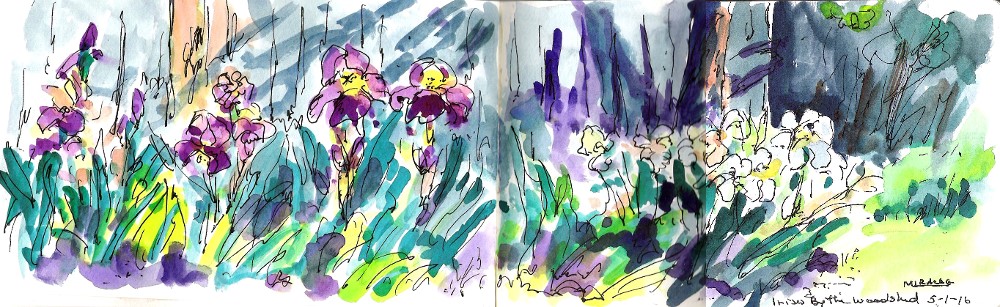
Irises by the Woodshed

Irises by the Woodshed

May is a very busy time here in the country.  Cleaning up winter debris and preparing and planting summer crops.  However, I have managed to find some time for some plein air painting, mostly sketching really.

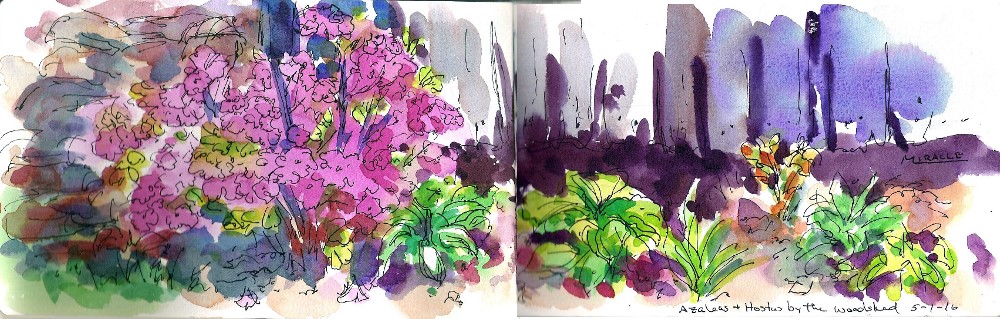
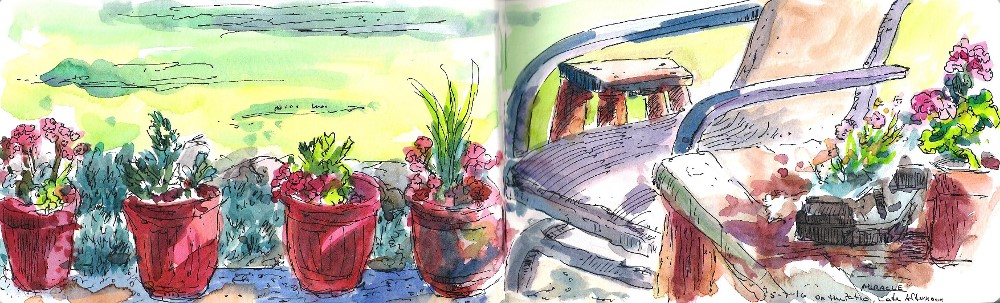
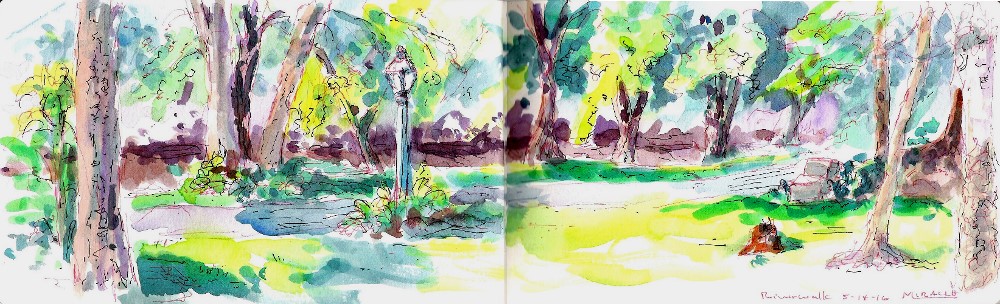
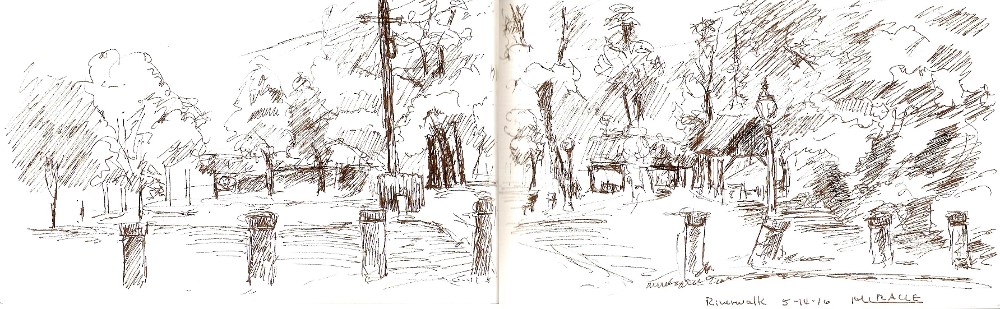
The first three paintings are just around the yard.  I try to catch the spring flowers before they’re gone.  I particularly like watercolor with pen and ink overlay.  These were all painted in a Pentalic Aqua Journal, 5 x 8, landscape format.  The double pages really are challenging but, as you know, artists always like trying new things.  The watercolor is actually a small travel set that I’ve had for years (decades?).  And the pens are Micron in various sizes .01 to .05, mostly black but I am experimenting with red and burgundy.

Azaleas and Hostas by the Woodshed

Azaleas and Hostas by the Woodshed

On the Patio, watercolor / pen and ink, Kit Miracle

On the Patio, watercolor / pen and ink, Kit Miracle

At the Riverwalk, Jasper IN, watercolor / pen and ink, Kit Miracle

At the Riverwalk, Jasper IN, watercolor / pen and ink, Kit Miracle

Riverwalk, brown ink, Kit Miracle

Riverwalk, brown ink, Kit Miracle


Plein Air Painting In the Neighborhood

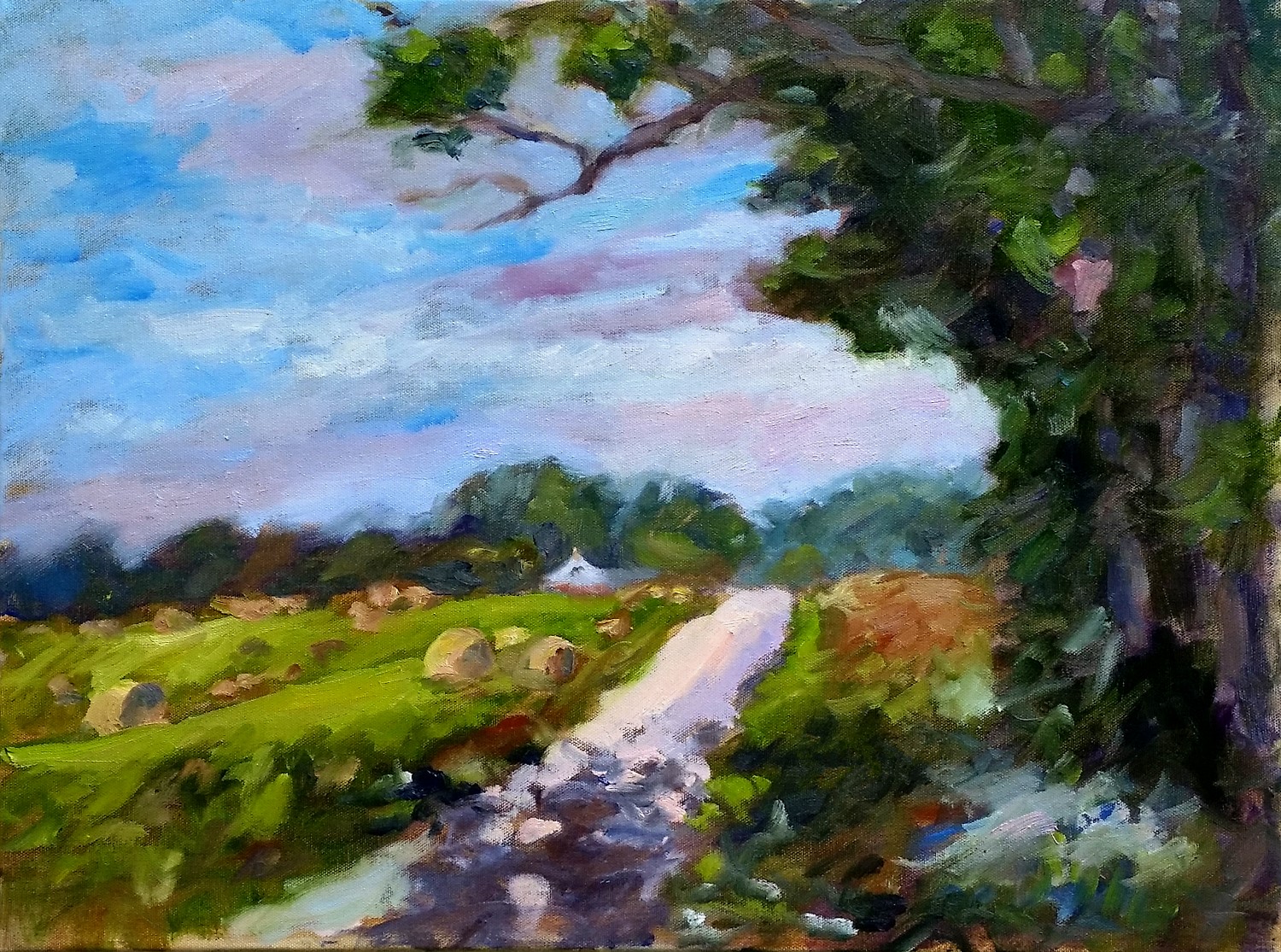
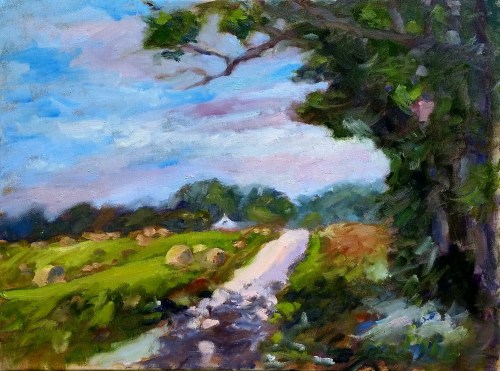
Mentor Road, Birdseye, Indiana, oil on canvas, 18 x 24, Kit Miracle

Mentor Road, Birdseye, Indiana, oil on canvas, 18 x 24, Kit Miracle

Writers are often advised to paint what you know.  I believe that this advice holds true for artists, too.  You know your own neighborhood best, the most attractive features, the back roads, and the best seasons to view the scenery.

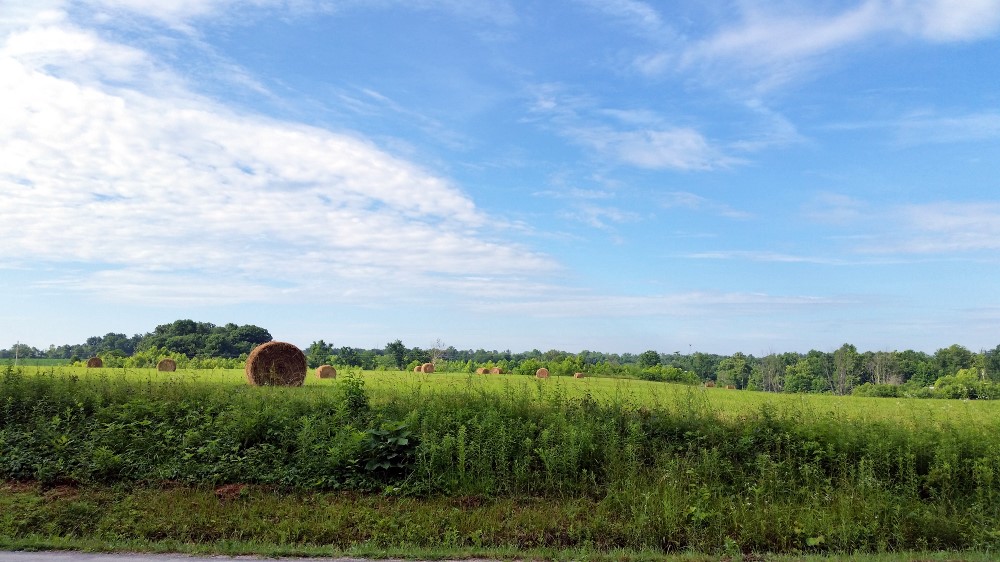
My neighborhood, as the title of my blog implies, is a rural one.  This time of year the farmers are baling hay.  Those big round bales often remind me of the wonderful haystacks of Monet, and their rotund forms litter the fields until they’re tidied away in neat rows.

A couple of days ago, I rode around the neighborhood looking for likely painting spots, especially with an eye to catching some hay bales still lying in the field. Other criteria for me are where can I park and will I need permission to go onto someone’s property.  Most people are very gracious about allowing  artists to venture on their land but it’s always best to ask if you can.

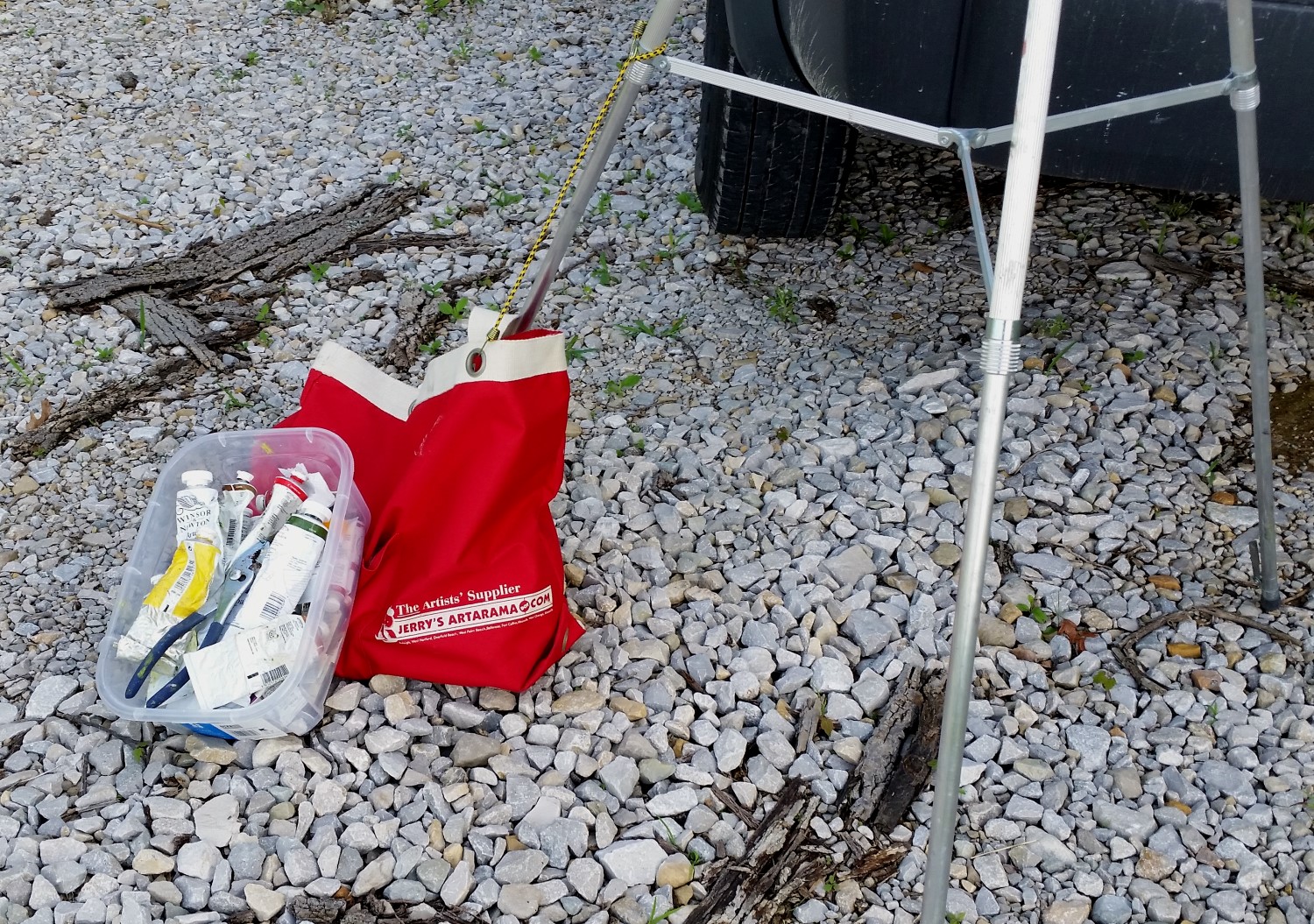
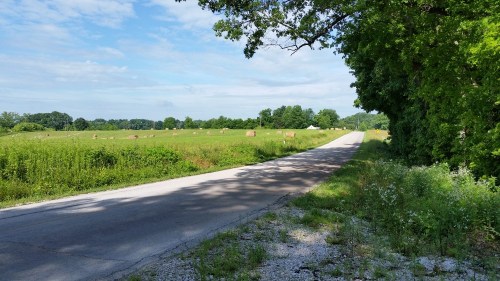
Today I returned to a likely spot.  Actually, I had intended to climb into the field but found that I liked the view from the road better, especially with the roof of a house showing which added an interesting focal point.  The painting went well and I came away with a pretty complete piece.  Some challenges were the wind so I had to improvise a weight for my portable easel.  Also, the flies were ferociously biting me.  Glad to have brought bug spray which is always in my travel bag.  And finally, I am positive that the manure spreader which passed my position three times, intentionally spilled a bit on the curve on which I was painting. Really!

Anyway, here is the final product and a few preliminaries.  It was painted on a toned canvas, 18 x 24, and took about two hours.  Feedback is always appreciated.
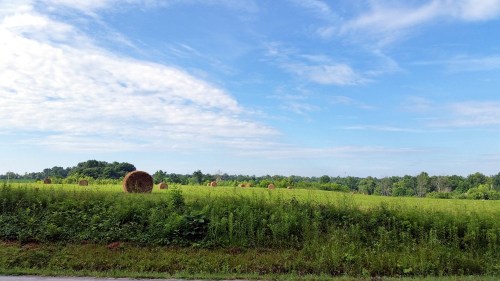
Hay bales, one potential view
Hay bales, one potential view

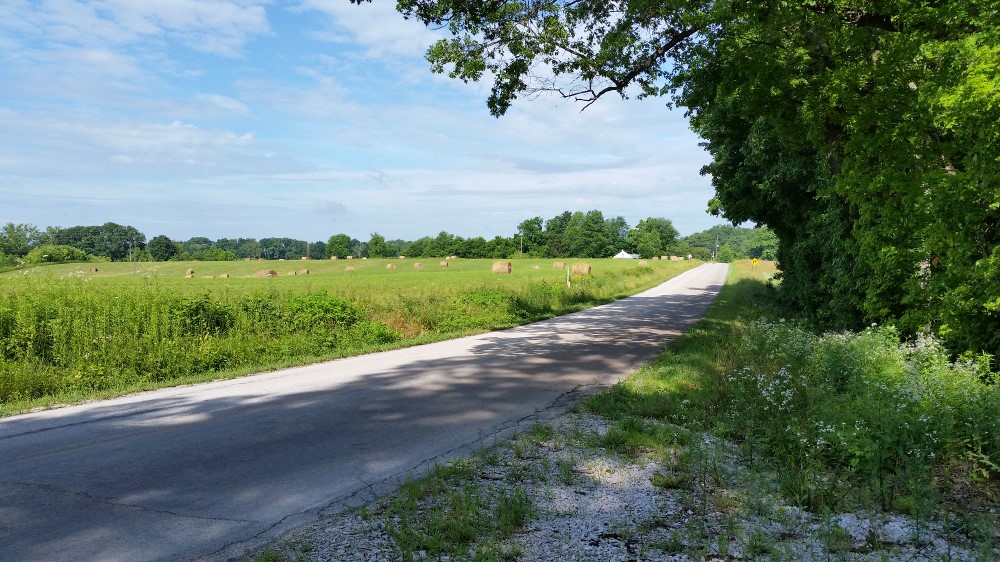
Final view chosen.  Loved the overhanging tree, the shadows and the contrasts.
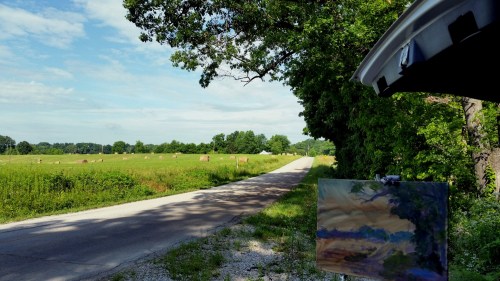
Final view chosen. Loved the overhanging tree, the shadows and the contrasts.

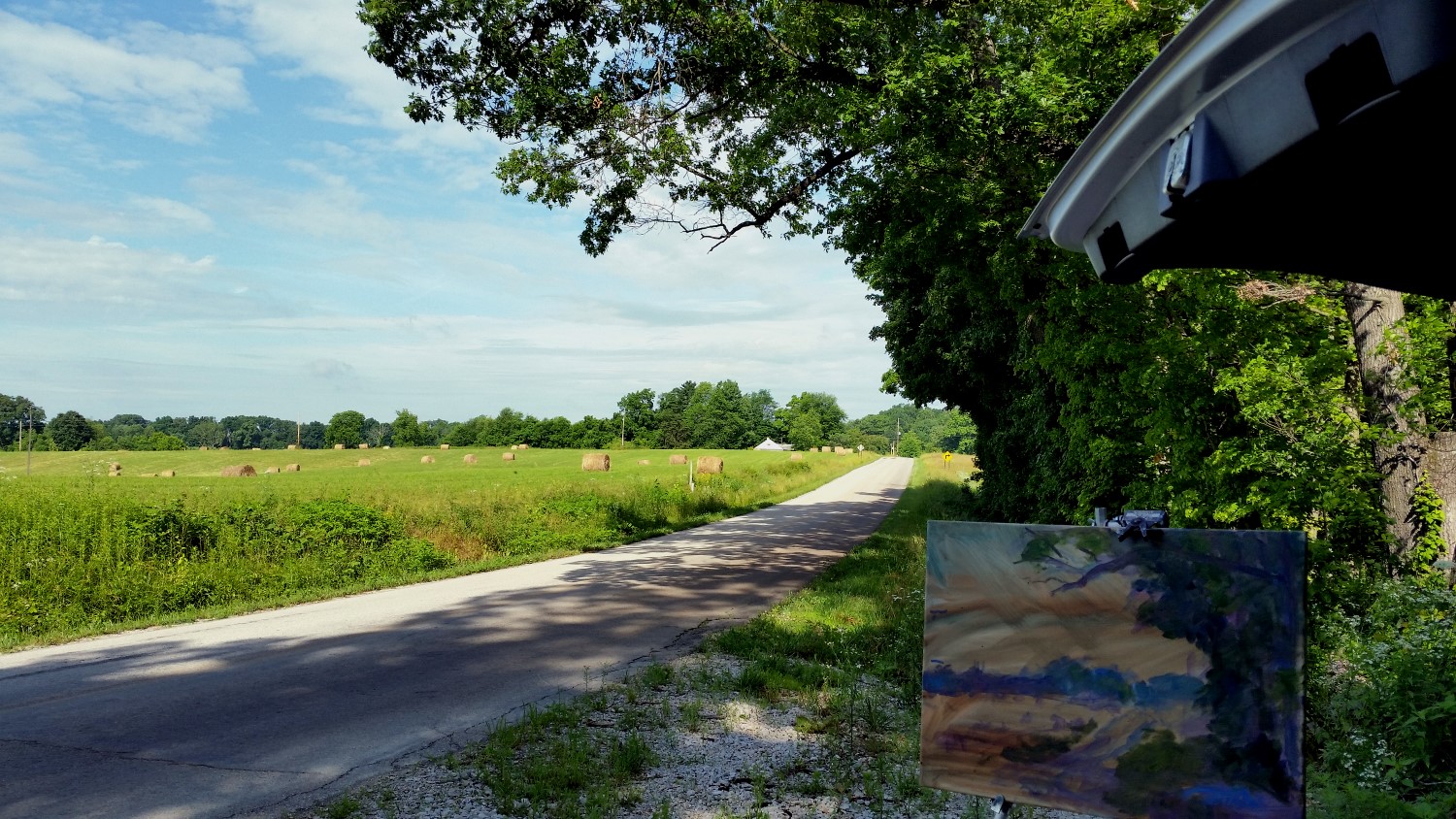
First laying in on toned canvas
First laying in on toned canvas

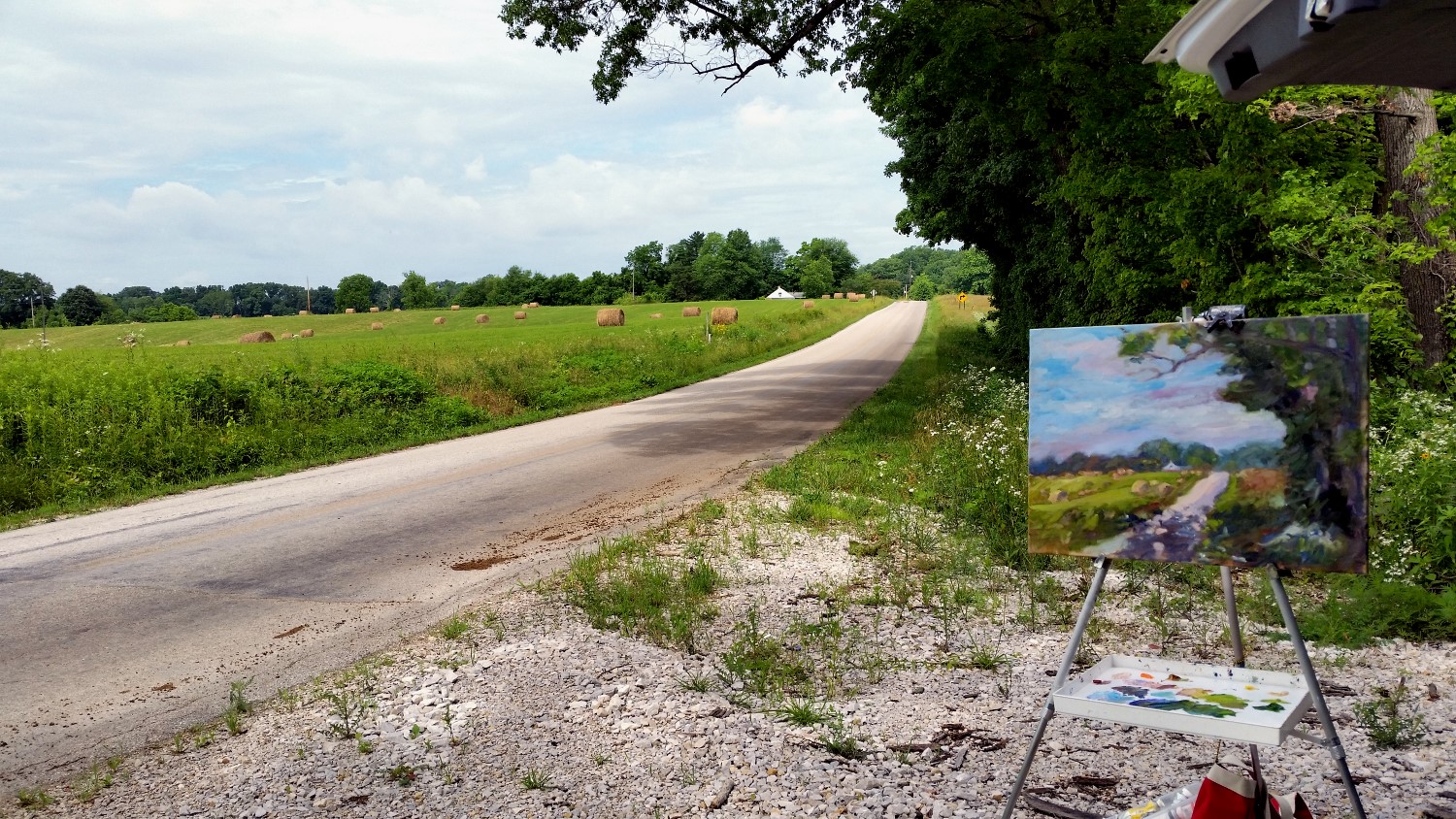
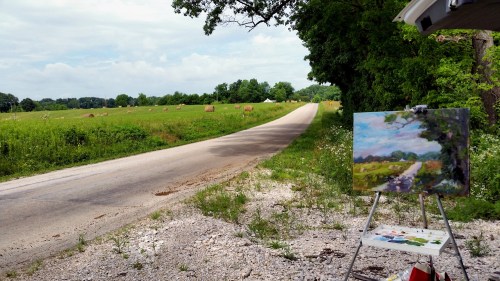
Final painting with scene behind.  About two hours.

Final painting with scene behind. About two hours.

Improvised weight to hold my portable easel in the breeze.
Improvised weight to hold my portable easel in the breeze.

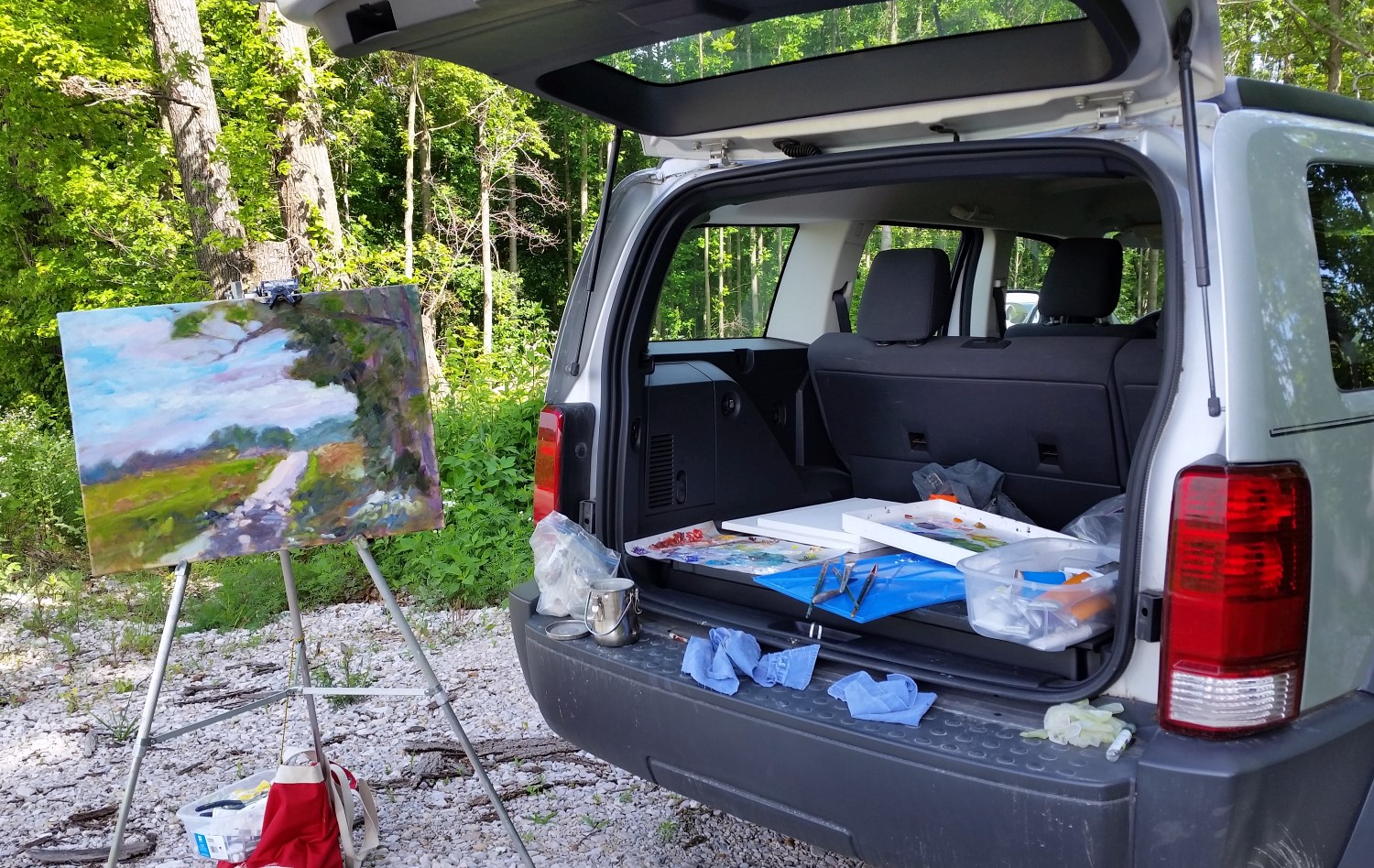
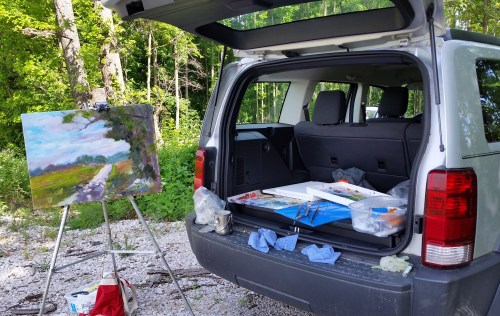
Car studio.  Easier than packing everything and a lot roomier.
Car studio. Easier than packing everything and a lot roomier.
Using red gel to determine values in your paintings

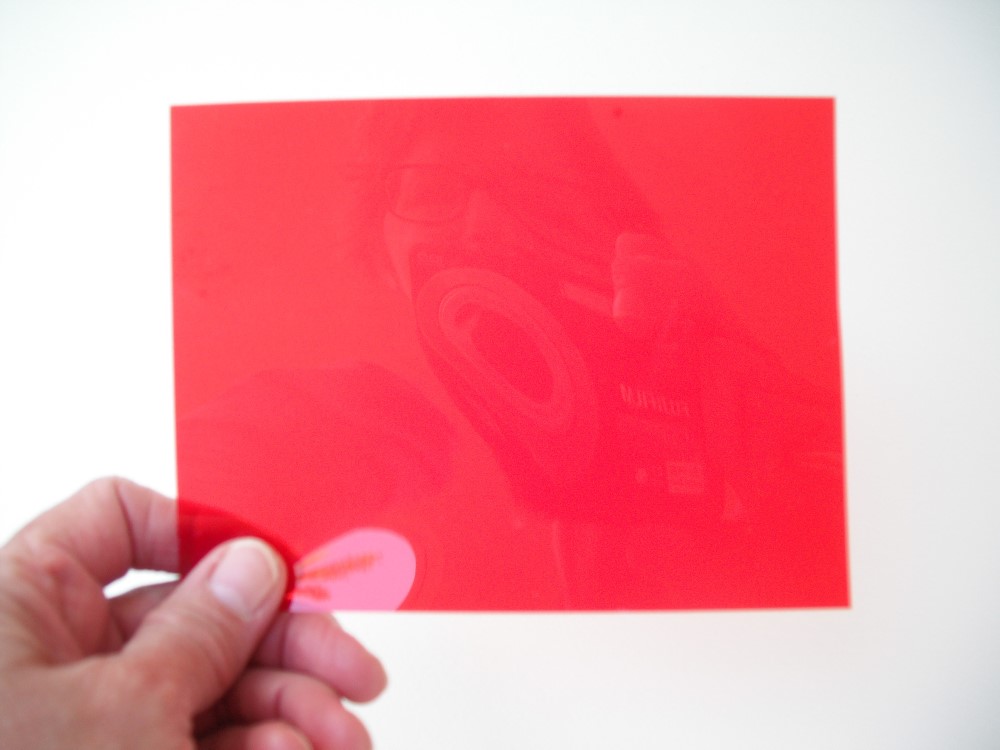
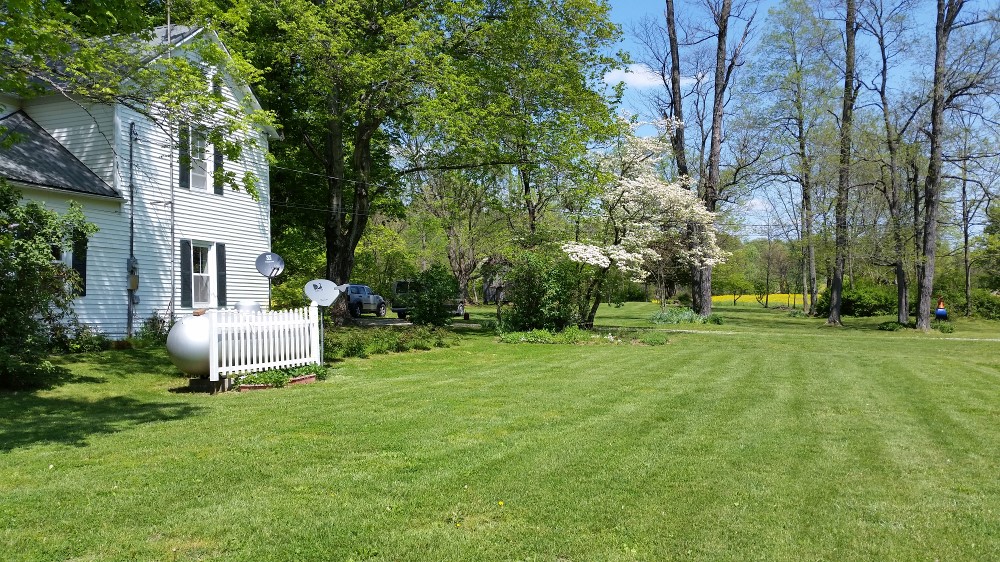
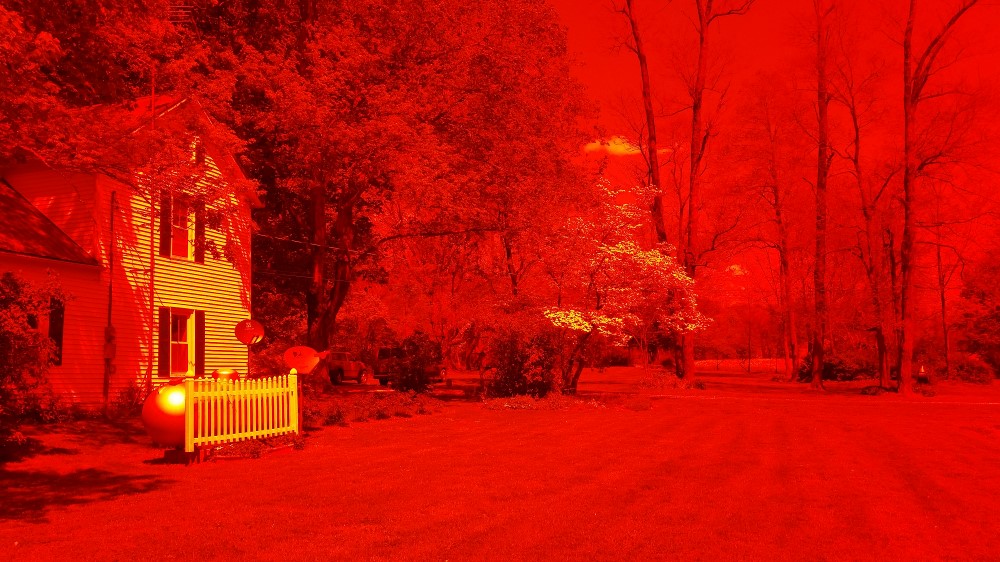
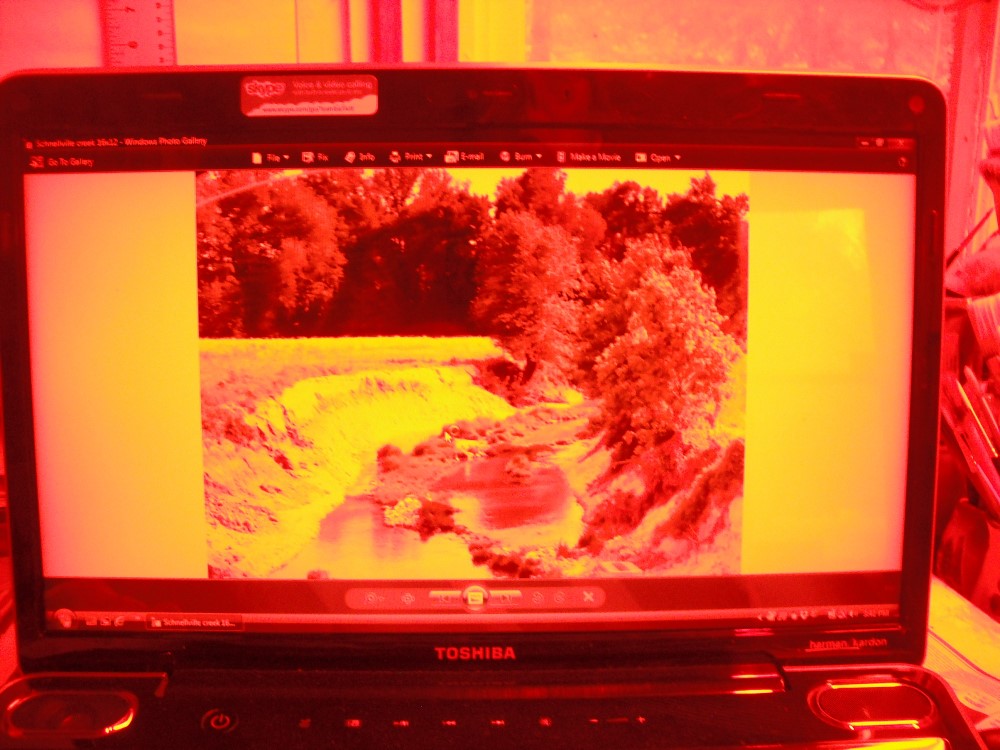
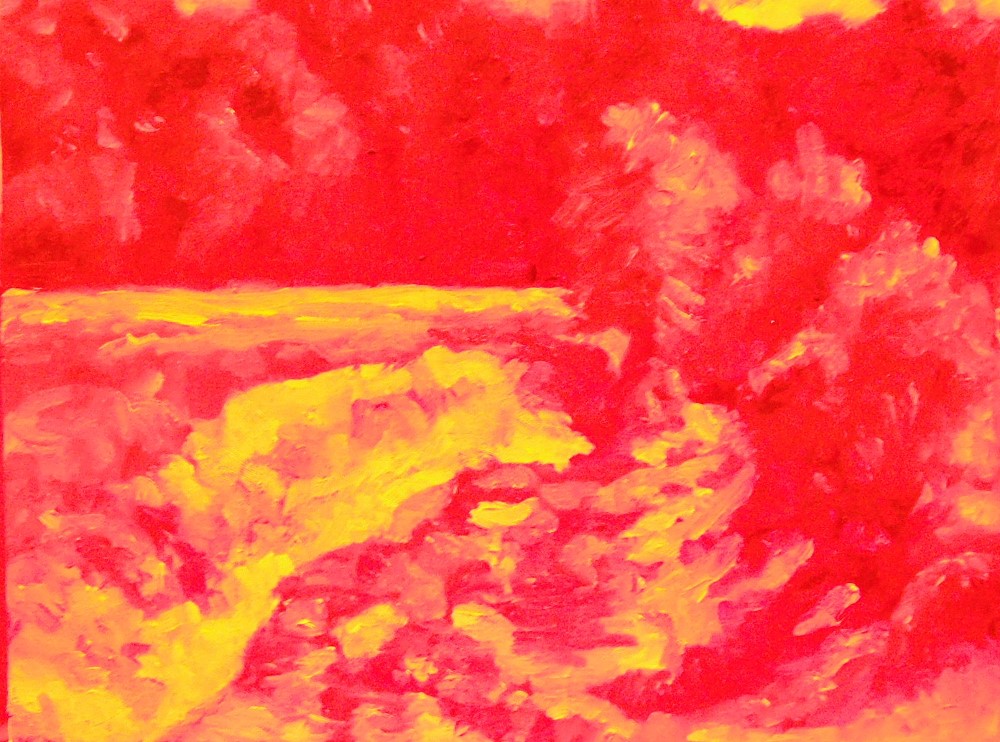
Sometimes using a piece of red gel (acetate)-  as in lighting gel – will help you see the values of your subject and painting better.  This seems to work best with landscapes as the red gel counteracts the greens, just leaving the values.
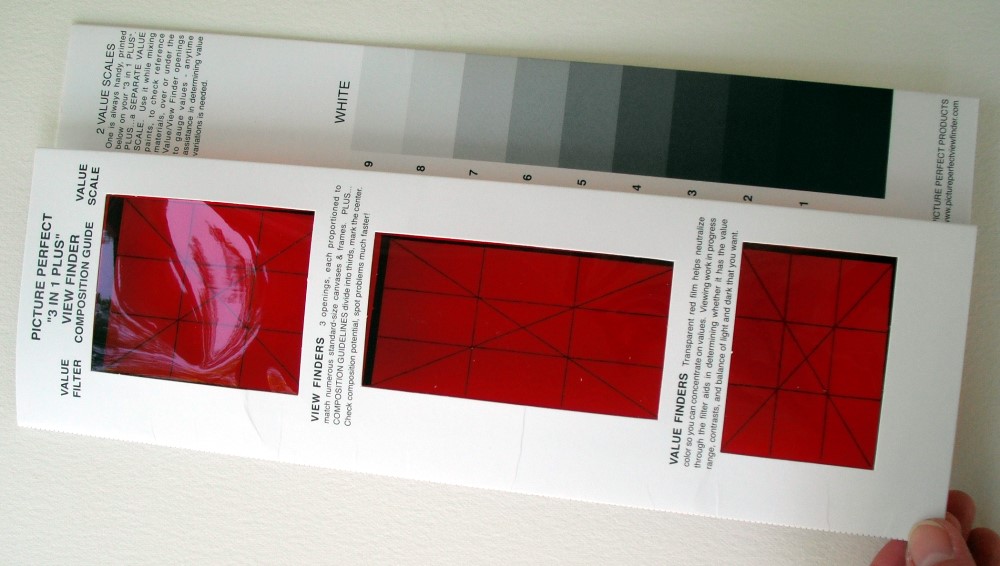
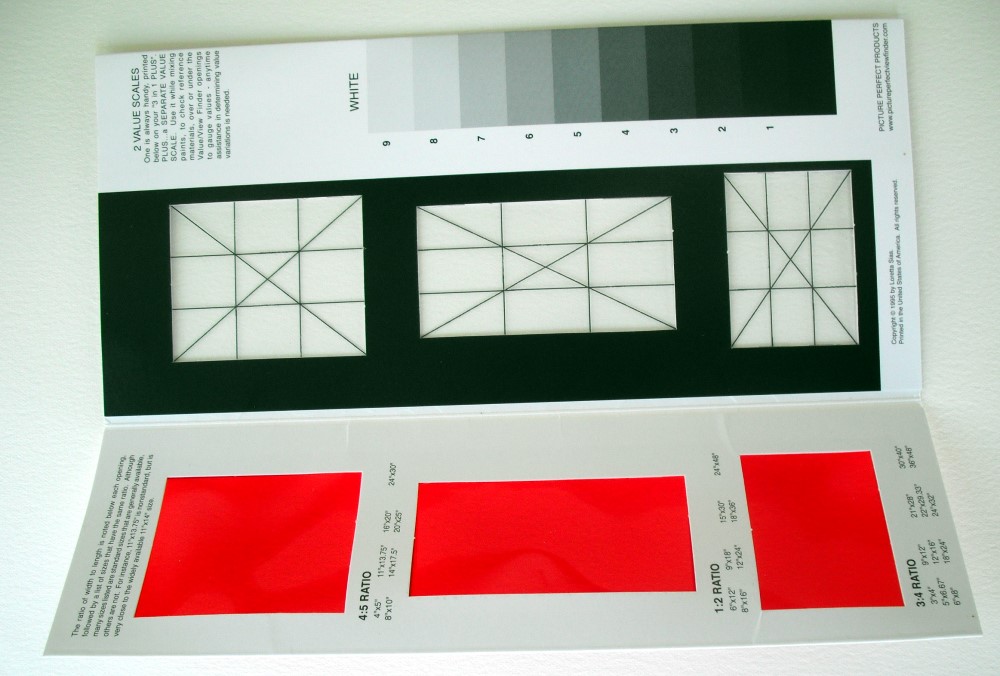
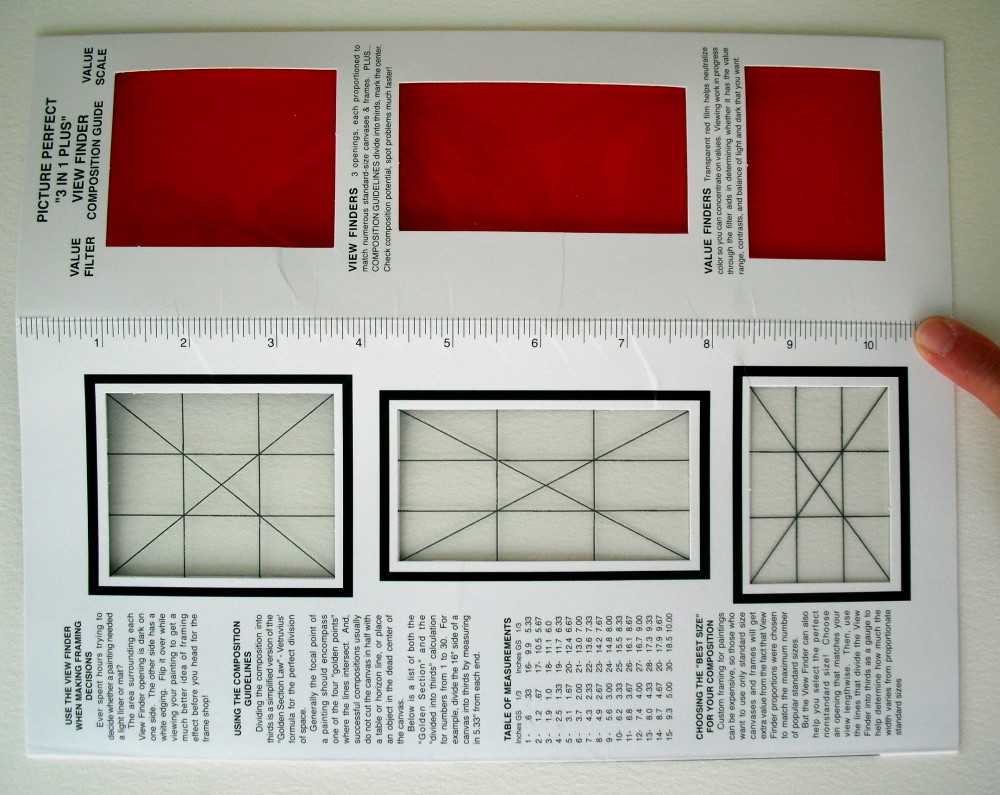
I’m not quite sure where I came across this idea but I always carry a piece of red gel with me.  You can acquire leftover pieces from most theaters in your area, even some universities. They use the gels to color the lights for the stage. Or you can buy it new on Amazon.com or at a theatrical supply store.  If you use a viewfinder, there is even a really neat gismo which you can buy at www.pictureperfectviewfinder.com which has the red gel built in, along with some value markers and different size openings for standard painting sizes.  Try it.  You’ll like it.

Piece of red gel, about 4 x 6

Piece of red gel, about 4 x 6

Folded over Picture Perfect View Finder showing the red gel and composition grids.

Folded over Picture Perfect View Finder showing the red gel and composition grids.

The Picture Perfect View Finder

The Picture Perfect View Finder

Back side of the viewfinder

Back side of the viewfinder

Landscape without the gel

Landscape without the gel

Landscape with red gel showing values

Landscape with red gel showing values

Using the red gel to look at computer photo

Using the red gel to look at computer photo

A landscape painting with the red gel

A landscape painting with the red gel

A landscape final version showing the values in the photo on the computer

A landscape final version showing the values in the photo on the computer

Plein air painting with acrylics

First of all I will admit that I am not an expert in acrylic painting.  Yes, I’ve painted watercolors for over 30 years and have tackled oil painting for about ten years.  But I’m pretty new to acrylic painting.

I got into acrylics painting artwork last year when I had some commissions which needed to be completed quickly.  Mainly I was looking for something durable but which dries more quickly than oils.  And after my last foray at a multi-day plein air event last month where I seemed to get Titanium white all over everything, I thought acrylics might be a good idea to try.

I have a beautiful little pochade box which I purchased last year but have never used so this was to be my designated acrylic box.  (For now.)  I loaded it up yesterday morning and drove out to a place down the road that I’ve been eyeing for a future painting site.  It was so peaceful and I arrived just before the sun arose.  I will say that the hardest part was attaching the quick release to my tripod, but after several attempts, I finally got it.  Not too thrilled as it wiggled a bit but otherwise it worked.  Then I unfortunately sat on my only plastic water container and smashed it.  Humph!  Artist ingenuity jumped up and I cut the bottom off a bottle of water.  Worked perfectly.
The next test was the new mini Stay Wet palette that I added too much water to the sponge.  The paper palette wrinkled a bit but I could work with it.  Lesson here:  try new equipment at home before you hit the road.

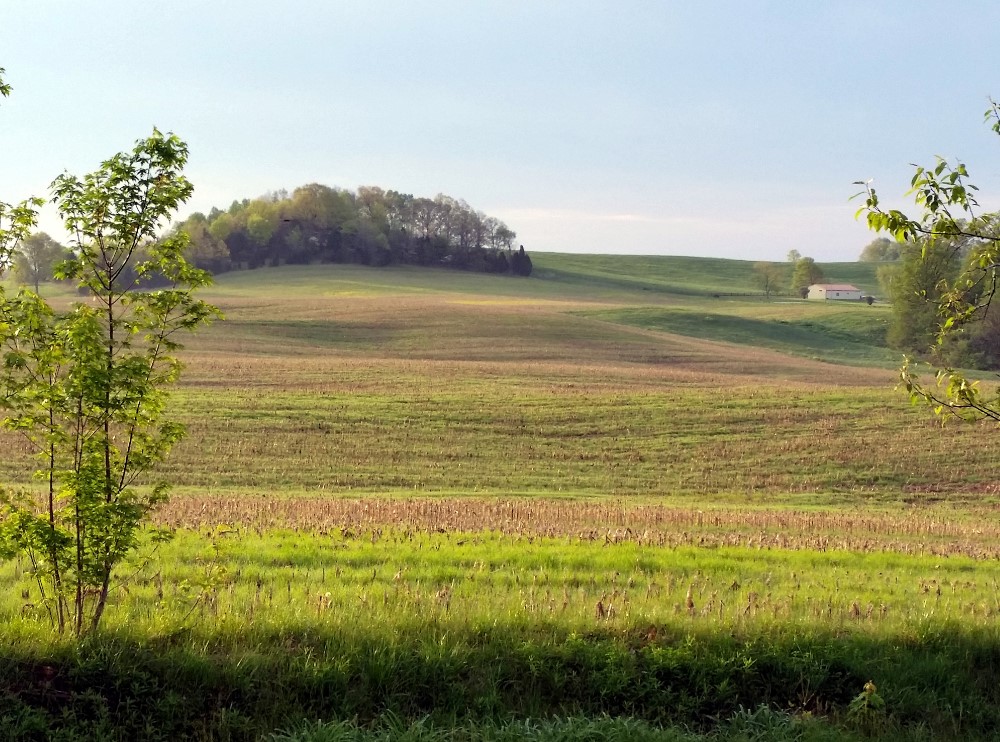
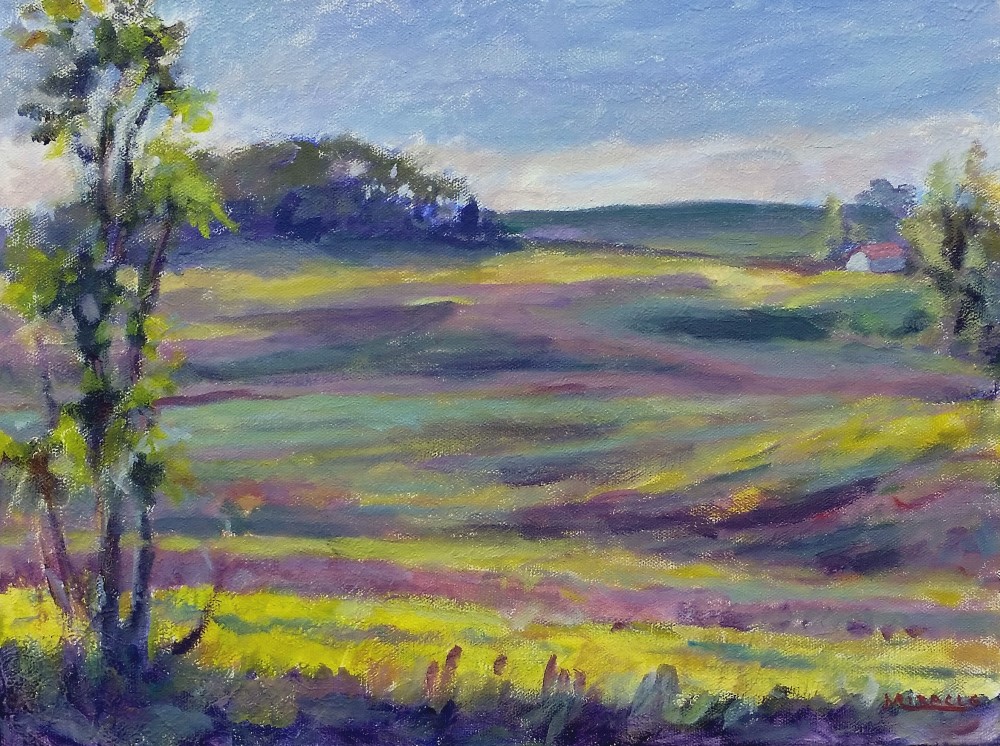
Here’s a photo of the beautiful rolling fields that I was trying to capture.  I find that I really only have two hours to make a go of a painting before I lose the light but this was enough.A sunny early morning photo 1000

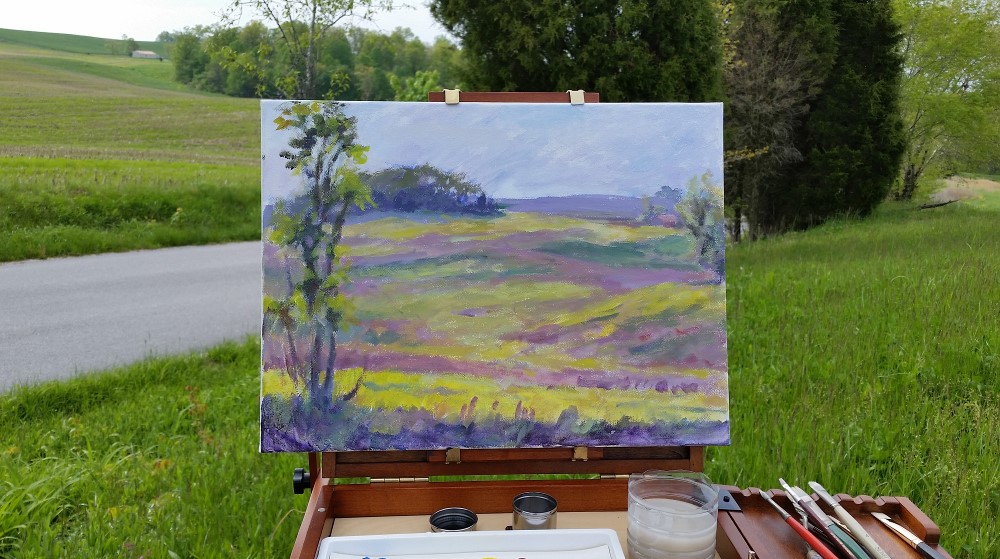
And here’s a photo of the field painting at the time I packed up.A sunny early morning photo - 2-1000

When I got back home, I wasn’t quite satisfied with the colors or composition of the painting so decided to work on it some more.  You can see where I lowered the clouds to emphasize the dawn.  Then I pushed back some hills and brought forth some of the sunny highlights. A sunny early morning painting2-1000 I’m not totally satisfied with the overall painting but I usually have to live with them for a while.  It doesn’t seem to have the personality of the scene I was trying to capture but barring that, isn’t too bad.  What do you think?  Which one do you like best.

So, lessons learned from my first acrylic plein air painting adventure.

  1. Test out new equipment first before you take it into the field.
  2. Be adaptable.
  3. Acrylics are nice in that they dry much quicker than oils but are more opaque than watercolors.
  4. And….don’t sit on your water container!

Painting Nova Scotia

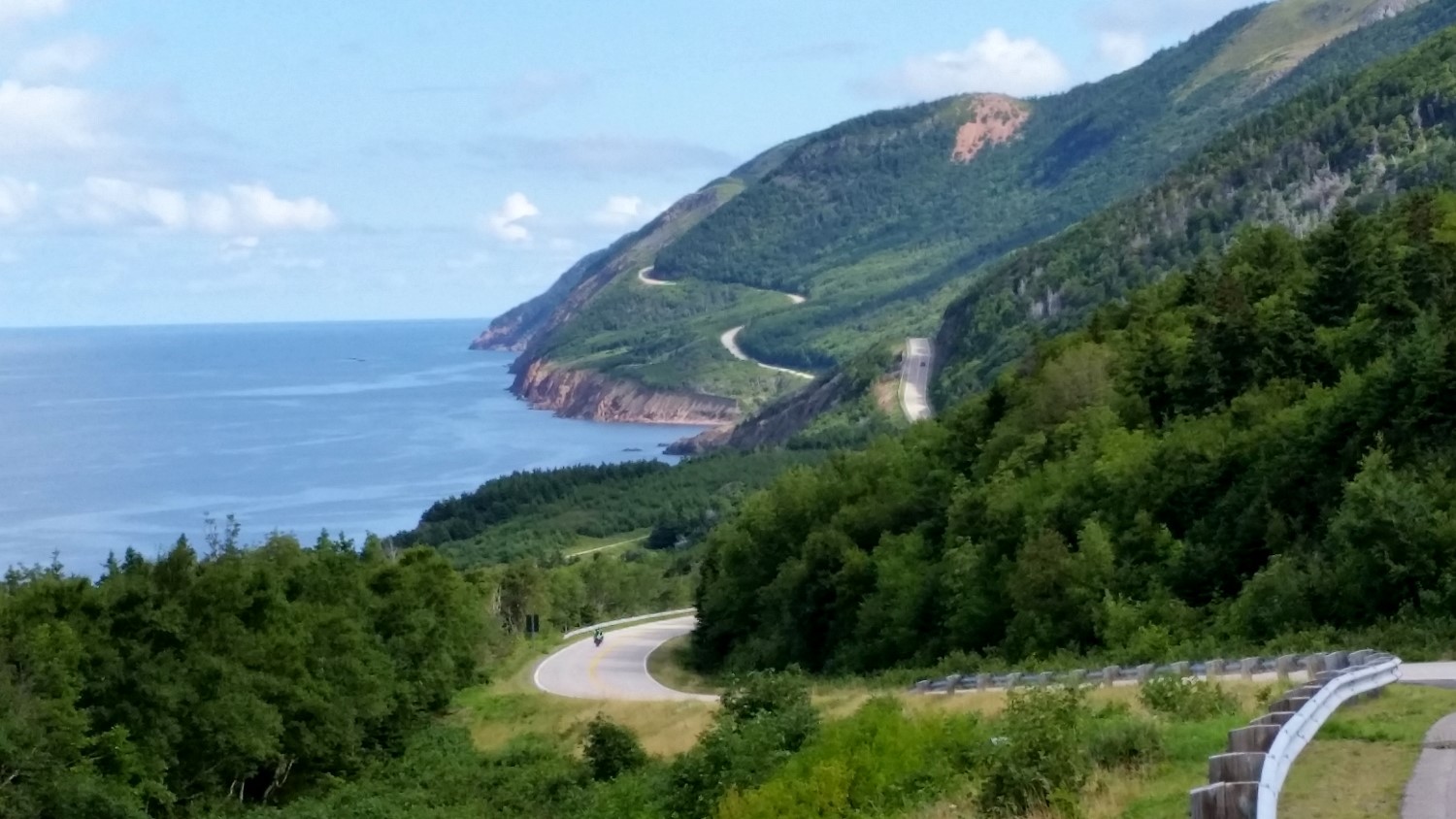
Cabot Trail, most iconic of drives.

Cabot Trail, most iconic of drives.

My husband and I made a trip to Nova Scotia last month.  Neither of us had been up that way.  It was so beautiful!  I took my painting materials but came home with enough subject matter to last for a long time.  We spent a week on Nova Scotia south shore, then toured the Cabot Trail in Cape Breton and finally ended on Prince Edward Island.  The weather was lovely with temps in the low seventies, dipping to the fifties and even forties at night.  Perfect for August, I think.

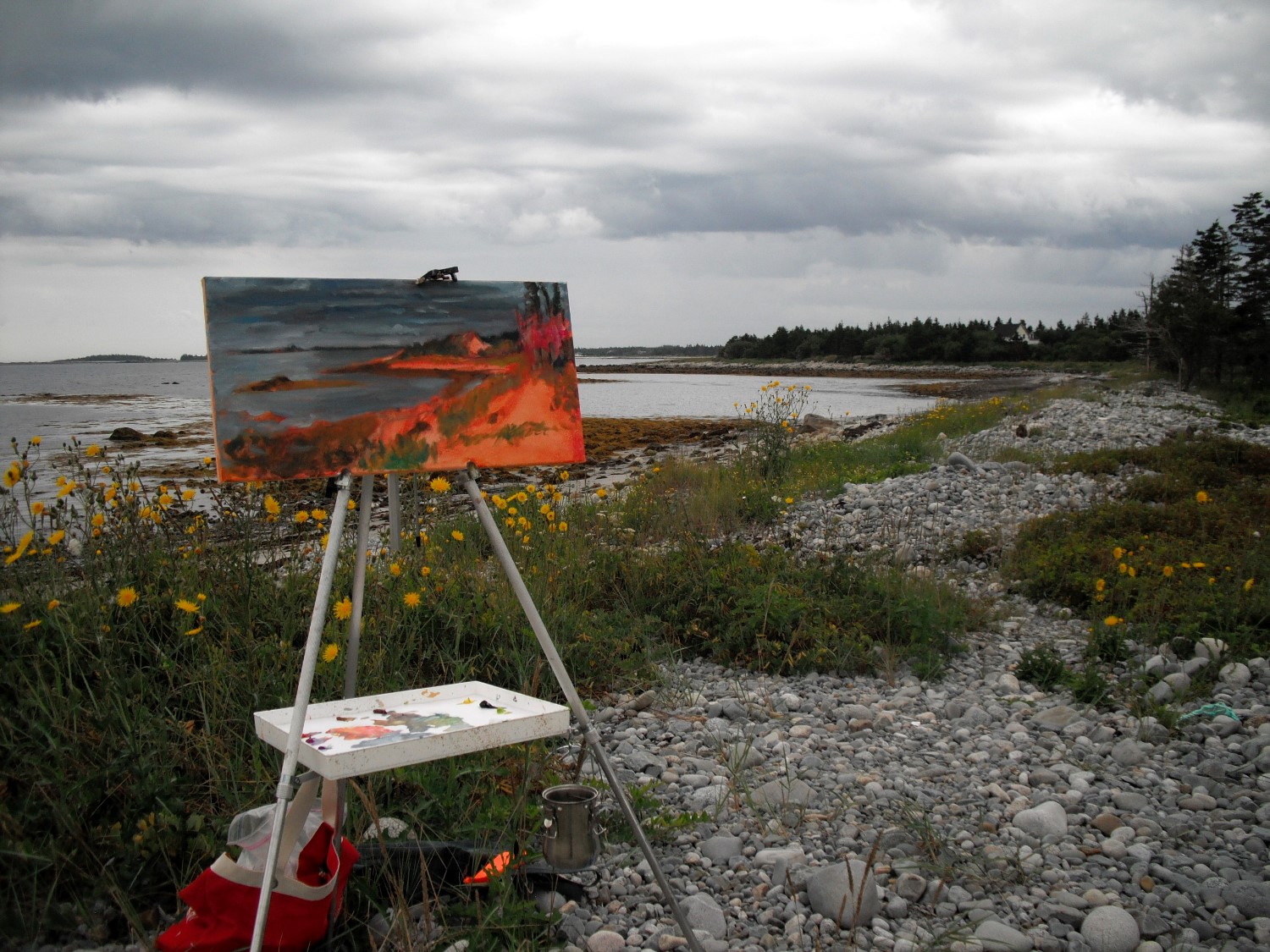
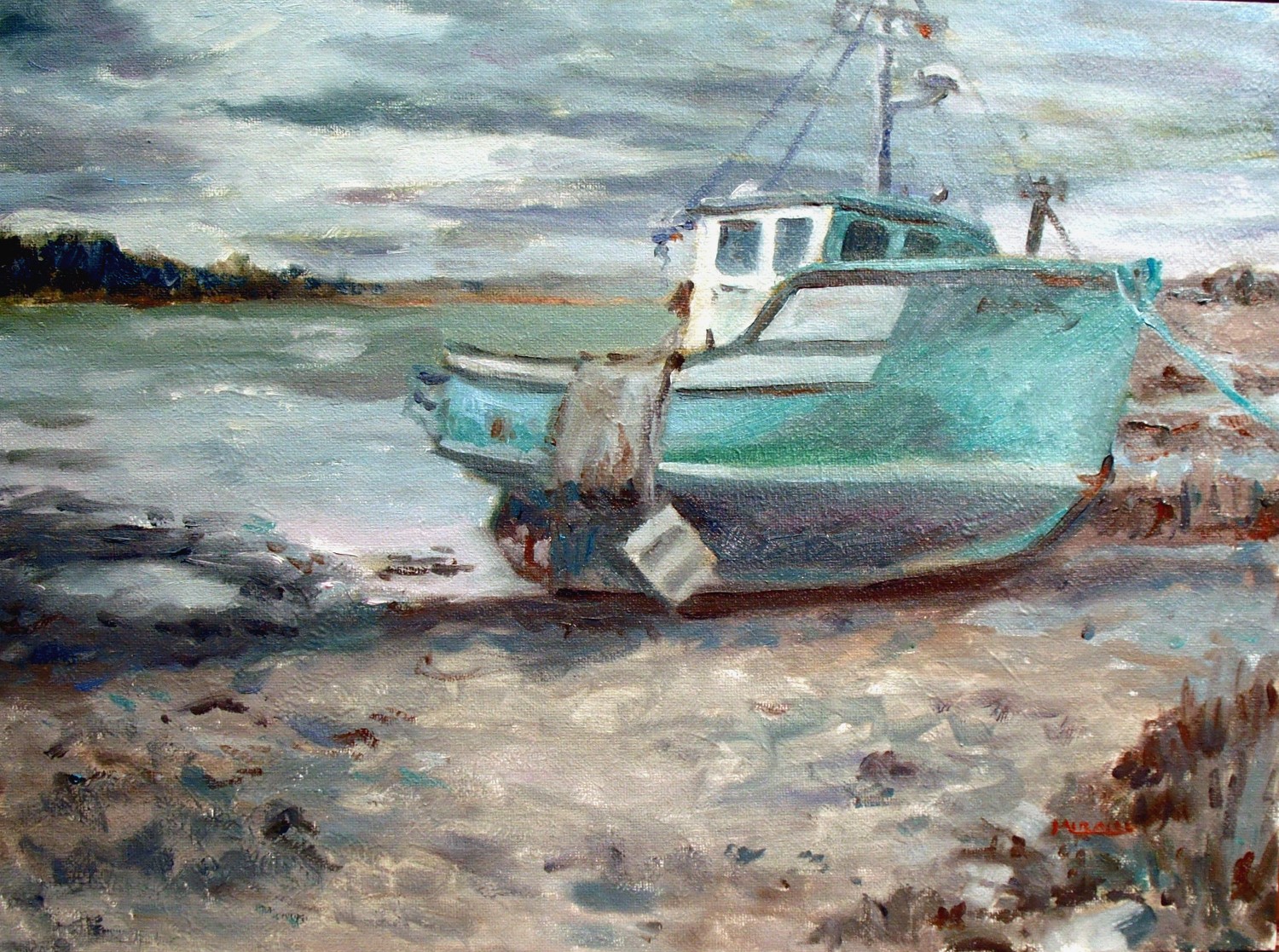
Nova Scotia Beach, Storm  Coming

Nova Scotia Beach, Storm Coming

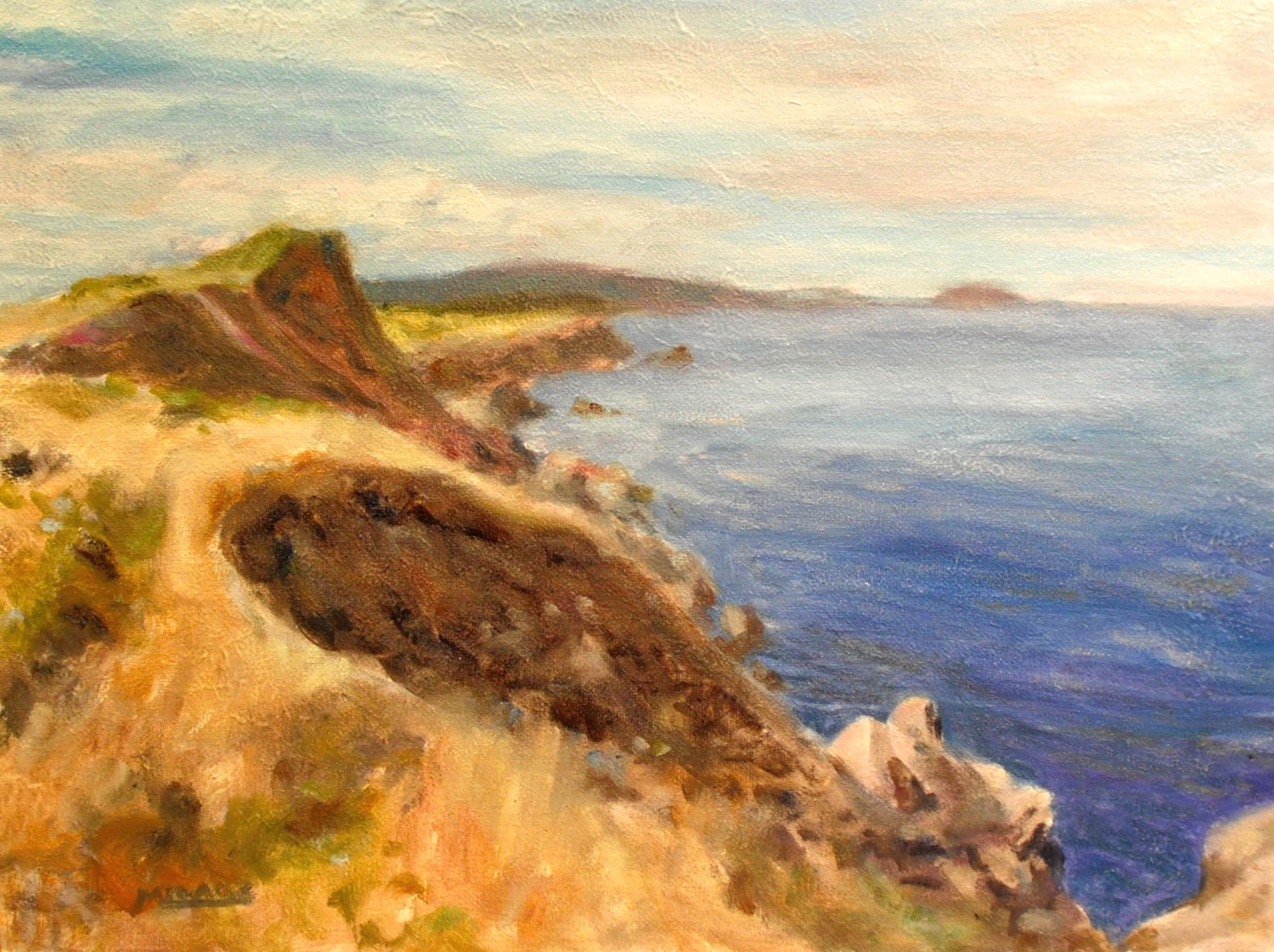
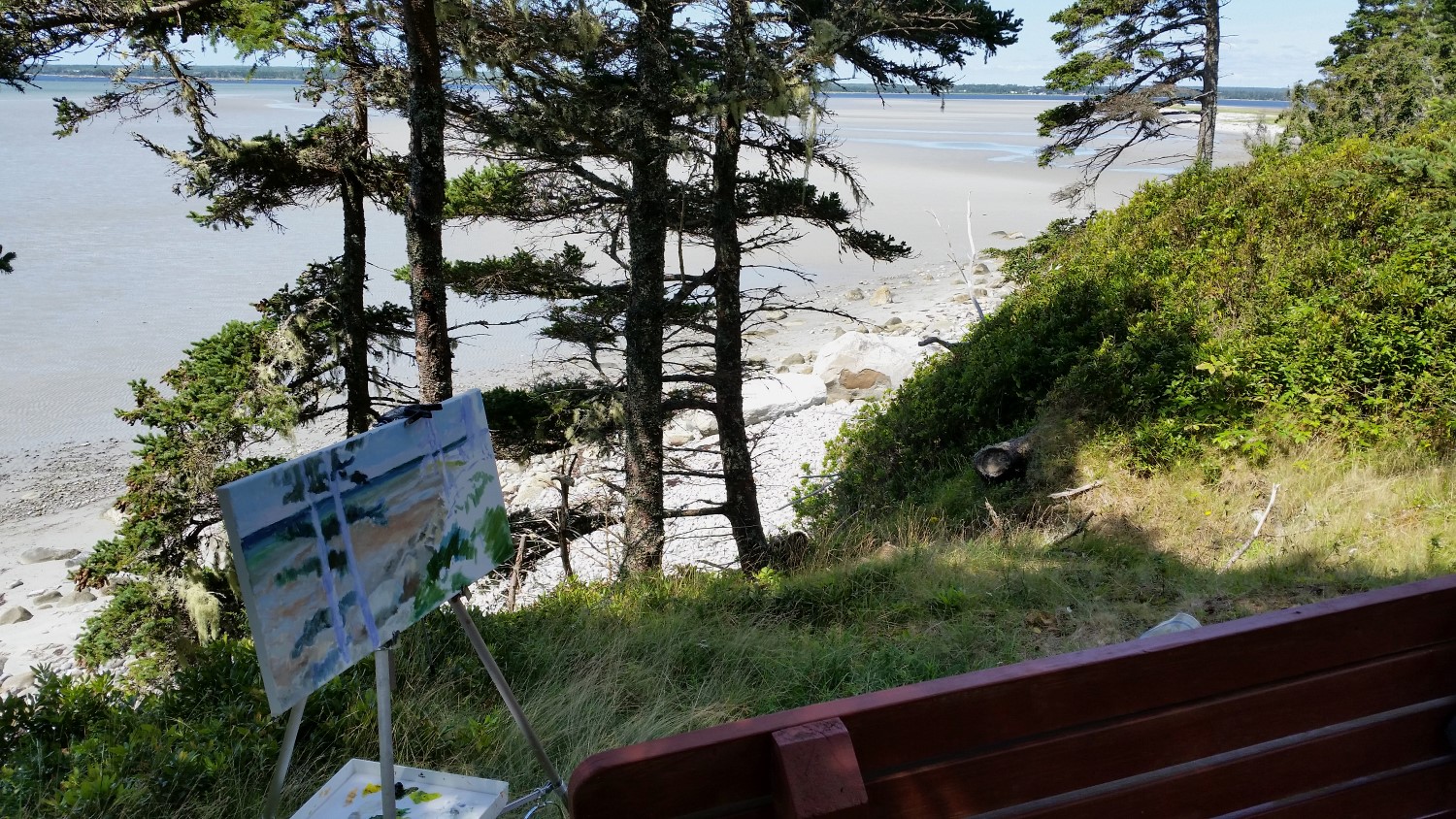
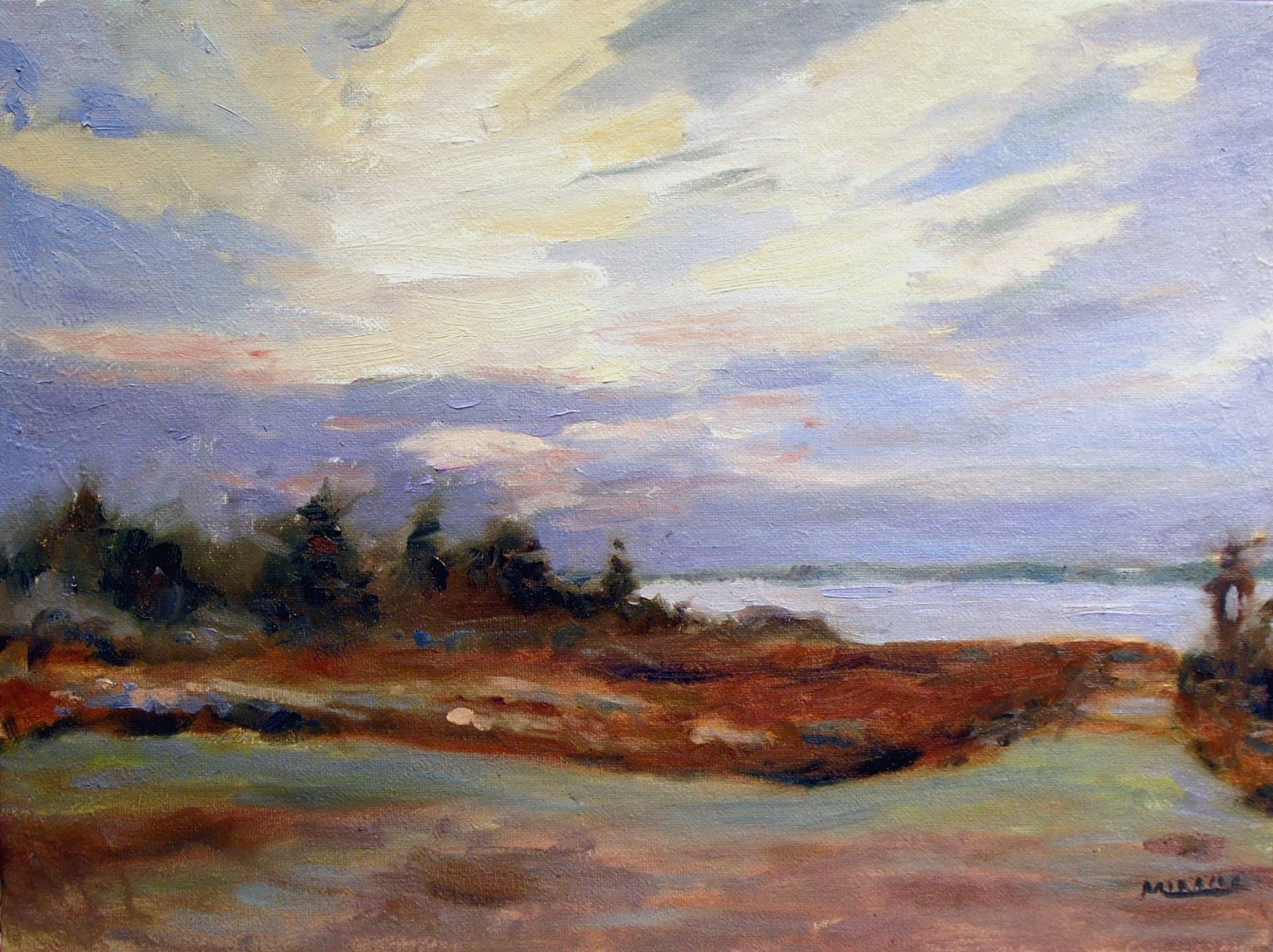
Here are the first few paintings, some painted on location, some back here at home.  Rugged shores, pines, ocean, beautiful sunsets and sunrises, quaint towns and fishing villages…what more could an artist want?  As always, I appreciate any feedback.

Painting at Sand Hills Beach, Nova Scotia, Kit Miracle

Painting at Sand Hills Beach, Nova Scotia, Kit Miracle

Sunrise, Nova Scotia, oil on canvas, 12x16, Kit Miracle

Sunrise, Nova Scotia, oil on canvas, 12×16, Kit Miracle

French Lily, oil on canvas, 12x16, Kit Miracle

French Lily, oil on canvas, 12×16, Kit Miracle

Cape Breton, Cabot Trail, 12x16, oil on canvas board, Kit Miracle

Cape Breton, Cabot Trail, 12×16, oil on canvas board, Kit Miracle

Making friends with green

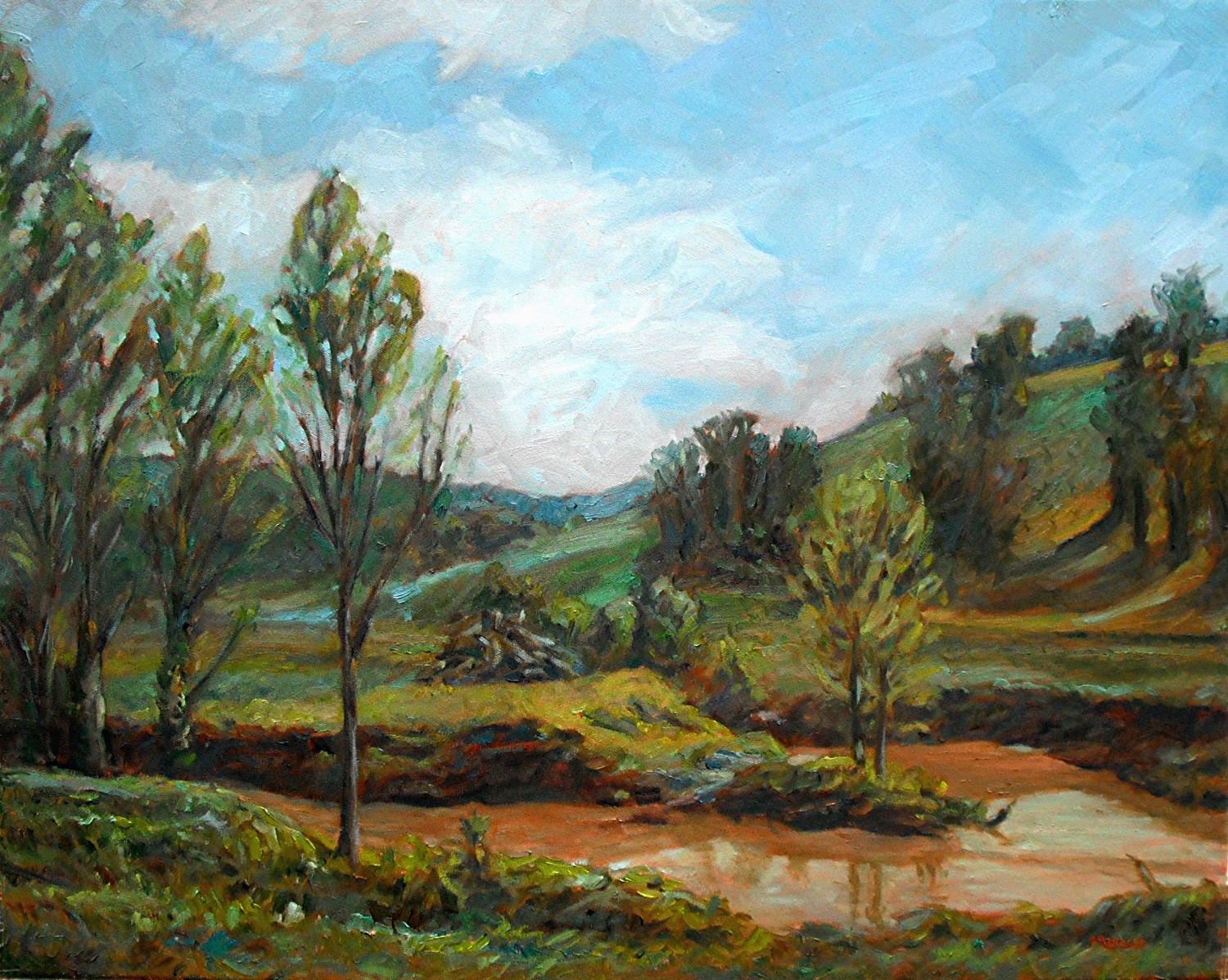
French Lick Creek, final, oil on canvas, 24x30, Kit Miracle

French Lick Creek, final, oil on canvas, 24×30, Kit Miracle

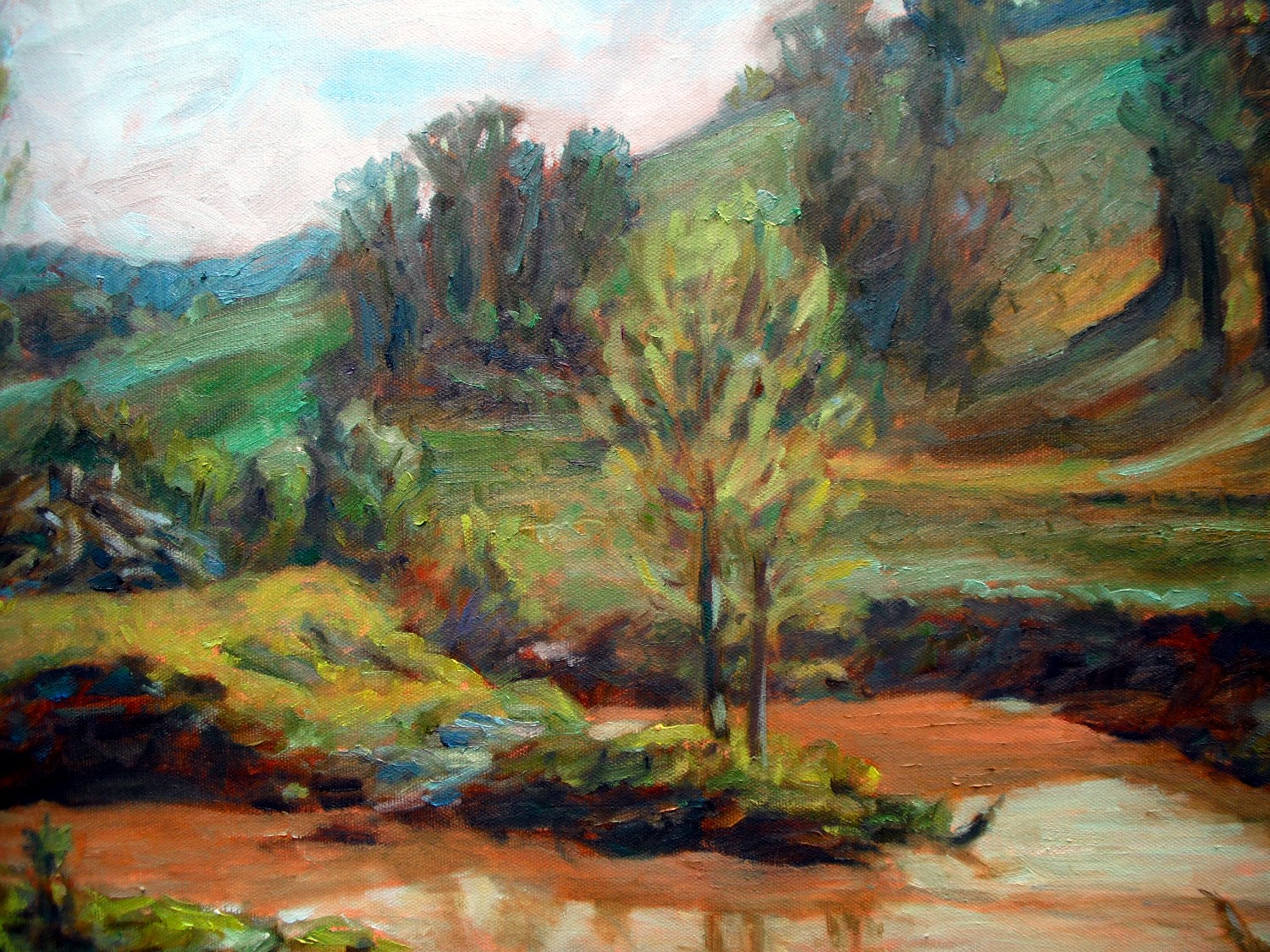
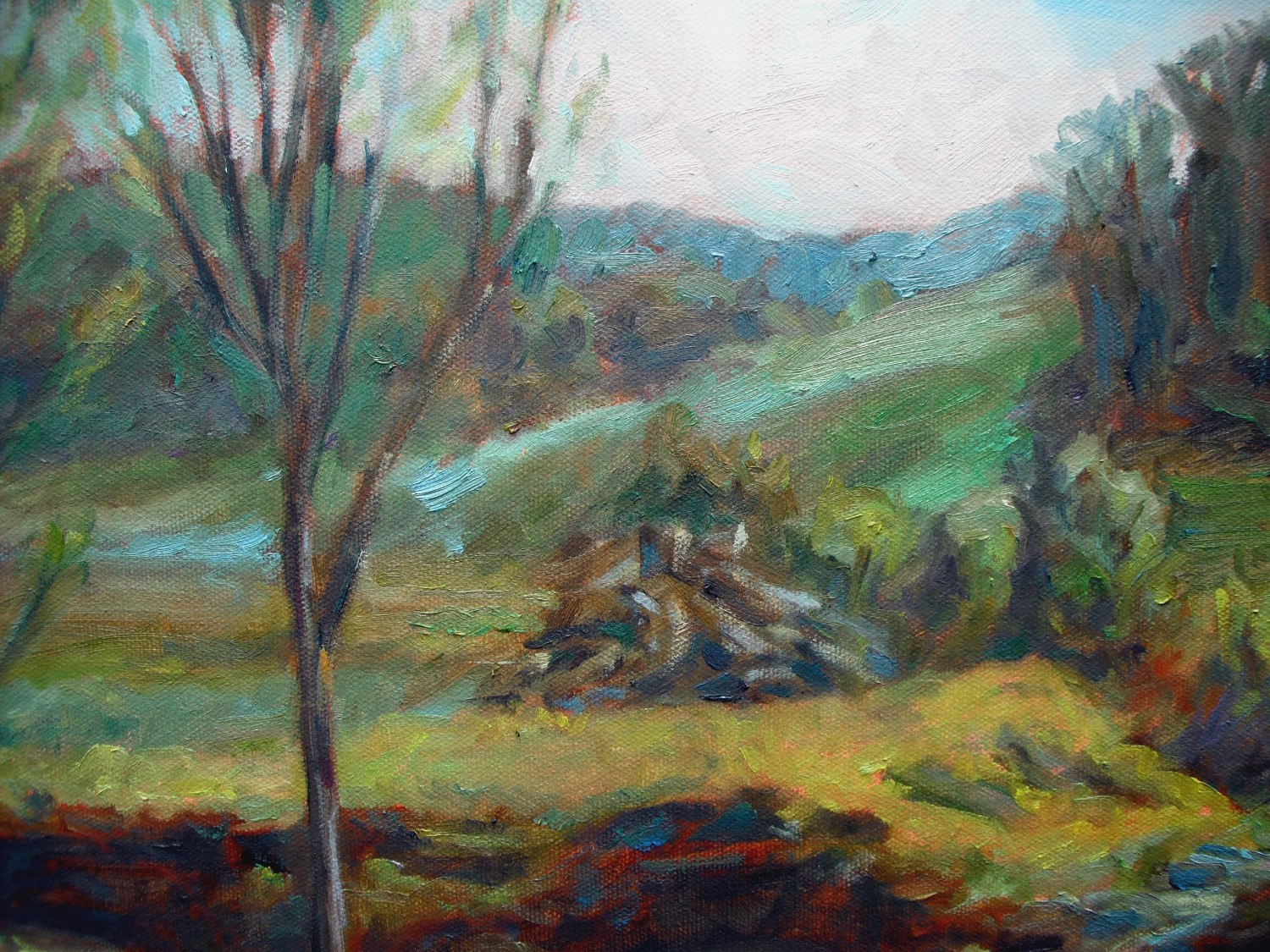
Green is one of the most difficult colors for most artists to handle.  However, if you’re going to paint landscapes, you’d better make friends with green.  I think the biggest mistake inexperienced artists make is not really looking at the color.  Green comes in many varieties – yellowish, orangey, silver, blue, purple.  Even just looking closely and slightly emphasizing what you see will help you immensely.  To learn more about the painting above and to see a demo, check out the page French Lick Creek, making friends with green, demonstration.

FrenchLickCreek,detail1 FrenchLickCreek,detail2 FrenchLickCreek,detail3 FrenchLickCreek,detail4

Simplify your backgrounds

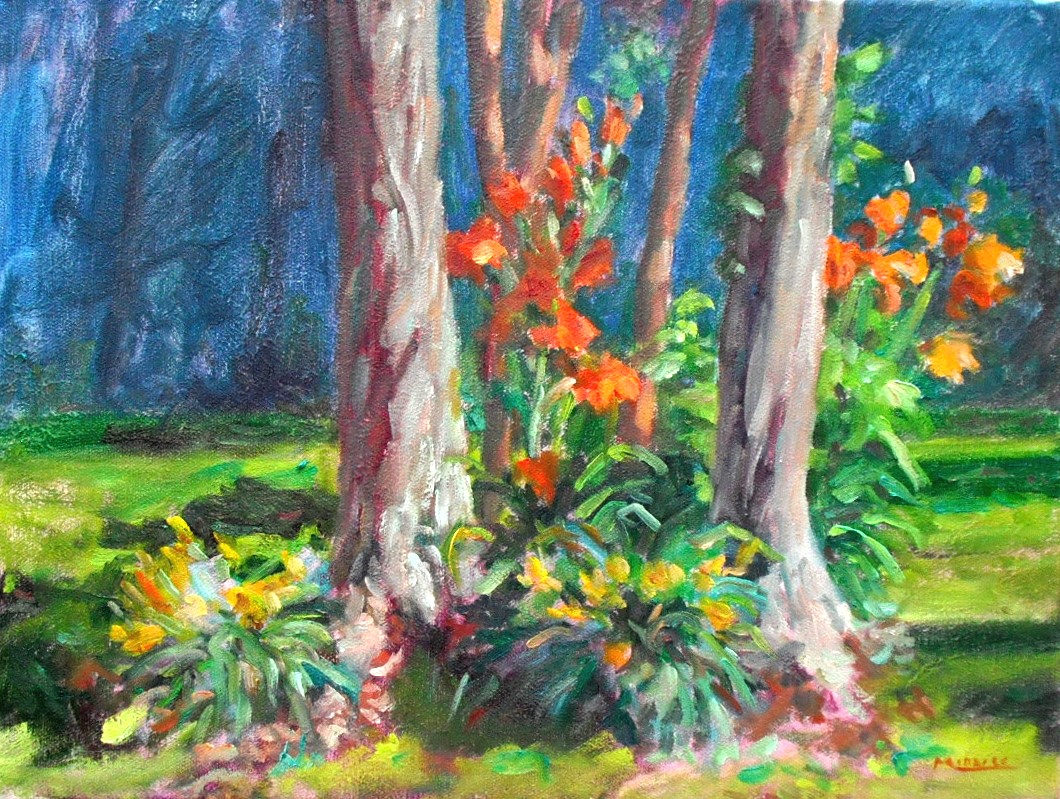
Often, when we venture into the great outdoors to paint, we are assaulted with visual overload.  There’s just too much out there!  I find that a good way to approach the problem of too much is to simplify my backgrounds.  In this recent plein air painting of June lilies, I could have added a lot of trees and stuff in the background but decided to emphasize the flowers instead.  I chose to do this by painting the background with a muted variety of purples and blues.  As you can see, this really makes the flowers pop.  By the way, the orange day lilies grow wild in great masses along the country roads this time of year.

June Day Lilies, oil on canvas, 12x16, Kit Miracle

June Day Lilies, oil on canvas, 12×16, Kit Miracle

The original area with a busy background.

The original area with a busy background.